
Staying Warm Safely: Guidance on Space Heater Use in Long Term Care Communities
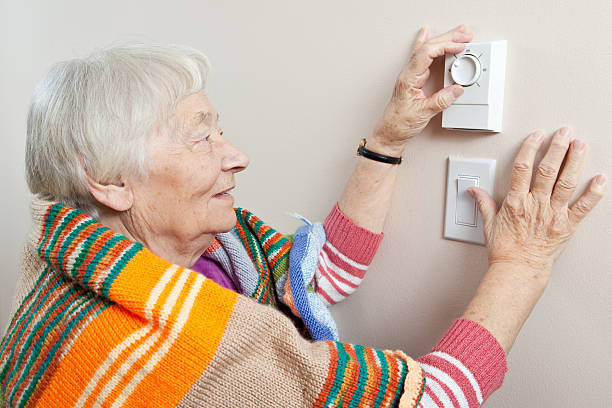
This winter’s prolonged and widespread cold has pushed many providers to look more closely at how to keep residents and staff warm and comfortable. Space heaters may seem like a simple fix—especially during sudden temperature drops that strain a building’s heating system—but their use comes with important safety and compliance considerations.
Regulatory Requirements and Restrictions
The Life Safety Code® places strict limitations on the use of space heaters in health care occupancies. They are prohibited unless:
- They are located only in nonsleeping staff areas, and
- Their heating elements do not exceed 212°F.
Because of these requirements, space heaters are rarely permitted in skilled nursing facilities. In a true heating emergency, the authority having jurisdiction (AHJ) may approve temporary use to prevent evacuation. These exceptions, however, vary by jurisdiction, remain time-limited, and require implementation of interim life safety measures.
Requirements for assisted living and independent living settings are typically governed at the state level. Though they vary, these regulations are often less restrictive than those for skilled nursing.
Safe Use Practices When Space Heaters Are Allowed
If your setting permits space heaters, follow these recommended best practices to minimize risk:
- Choose electric, portable heaters without open flames. Select units that use self-contained water or oil rather than exposed coils or heating wires.
- Use only devices listed by recognized testing laboratories (UL, FM, etc.).
- Ensure heaters include tip over protection and overheat protection.
- Select models with thermostats and automatic shutoff features.
- Place heaters on solid, flat floor surfaces—never on counters, tables, or carpets.
- Plug heaters directly into a wall outlet. Do not use extension cords or surge protectors, and ensure the plug is grounded (three-pronged).
- Turn off and unplug heaters when not in use.
- Keep at least three feet of clearance between heaters and combustible materials.
Safe Alternatives to Maintain Comfort
Maintaining a warm environment isn’t just a comfort issue; it’s a regulatory requirement under F584. Space heaters are not the only option. Consider these safer, compliant alternatives:
- Electric blankets or heated mattress pads, when appropriate.
- Layered clothing, such as sweaters, sweatshirts, socks, and slippers.
- Warm beverages and snacks to help maintain core body temperature.
- Repositioning residents away from drafty windows and doors.
- Creating activity or seating areas in parts of the building that naturally retain heat.
Incorporating Heat Loss into Emergency Planning
As you annually update your Hazard Vulnerability Assessment (HVA), ensure that heat loss scenarios are fully addressed. A comprehensive plan should include:
- Strategies for preserving a warm, safe environment
- Contact lists for heating vendors and emergency repair services
- Details of service agreements and backup options
- Contingency plans for evacuation, which may be necessary if heating systems will be down for an extended period during extreme cold
Additional Resources
For more tools to support preparedness, compliance, and safety, visit the AHCA/NCAL website.
Posted in Assisted Living, Skilled Nursing Facilities