2026 WHCA + IHCA Fall Conference
September 14-16 | Davenport Historic, Spokane
Return to Event Program Homepage >
Attendees can earn up to 13 CEUs through our education sessions at this year’s Fall Conference. For questions about CEUs, Idaho attendees should contact [email protected]. Washington attendees, please contact [email protected].
Education Sessions Schedule
Unless otherwise noted, sessions for each track are held in the following rooms:
| Track | Room |
| Leadership | Monday: Grand Pennington A. Tuesday: Elizabethan. |
| Quality/Legal | Monday: Grand Pennington B. Tuesday: Isabella. Wednesday: Grand Pennington C. |
| General | Monday: Grand Pennington C. Tuesday: Flowerfield. |
| Clinical | Wednesday only: Grand Pennington C |
 |
 |
Monday, September 14
1:00 pm
Building Your Dream Team Without Starting From ScratchTrack: Leadership
You know that team member who drives you crazy? The one who is great with residents but creates drama with everyone else. Or the department that never seems to communicate with another department. Or the employee who says, “Nobody told me,” even though you know they were told three times.
Maybe you’ve thought, “I just need better people.”
But what if you don’t need a whole new team? What if you need to understand what’s getting in the way of the team you already have?
Based on Patrick Lencioni’s The Five Dysfunctions of a Team, this session will take a practical look at the five things that can derail even a team full of good people: lack of trust, avoiding hard conversations, lack of commitment, avoiding accountability, and losing sight of results.
Using real-world examples from senior care, we’ll look at what these problems actually look like in the workplace and what leaders can do about them. You’ll leave with a better understanding of where your team may be stuck and practical ways to start moving them forward without immediately assuming the answer is another job posting.
| Room: Grand Pennington A (map) | Download Materials Slides |
 |
Jill Valdez, MS
Link Consulting Jill Valdez, is the founder of LINK Consulting, where she helps senior care organizations build stronger leaders, healthier teams, and more effective operations. With more than 30 years of leadership experience, Jill has worked alongside executives, administrators, and department leaders across the senior care continuum to improve communication, strengthen accountability, and create cultures where people and performance thrive. |
Presented by Link Consulting
Track: Quality/Legal
Administrators, nurses, caregivers, and support staff in assisted living communities and skilled nursing facilities care for some of the most vulnerable residents, and they must also meet HIPAA privacy and security expectations. This session shows how HIPAA requirements show up in daily work, and how protecting resident data supports quality care, reduces citation and enforcement risk, and strengthens trust with families, staff, and payers. We will start by connecting everyday workflows in assisted living communities and skilled nursing facilities to privacy and security risk. In both settings, staff create, use, and share resident health information that is subject to HIPAA. Participants will see how the HIPAA Privacy, Security, and Breach Notification Rules apply in these settings.
Using realistic scenarios, the session will highlight common ways resident information is exposed, such as phishing emails, ransomware, misdirected faxes and mail, shared logins, staff using personal devices, and gaps in offboarding when staff leave. For each scenario, we will connect what went wrong to the specific HIPAA requirement involved, using plain language instead of legal or technical jargon. We will then translate these risks into a short list of safeguards that fit busy long term care operations, such as stronger access controls, multifactor authentication, more consistent training, and better coordination with vendors and managed service providers. Throughout, the focus stays on helping providers show regulators and surveyors that they are taking reasonable steps to protect resident information, even without a large in house compliance or IT department.
Attendees will receive a checklist they can adapt to their assisted living communities and skilled nursing facilities that links practical safeguards to the underlying HIPAA requirements. They will leave with a clear sense of where their biggest risks are, what regulators expect, and what to prioritize in the next three to six months.
| Room: Grand Pennington B (map) | Download Materials Slides, Handout |
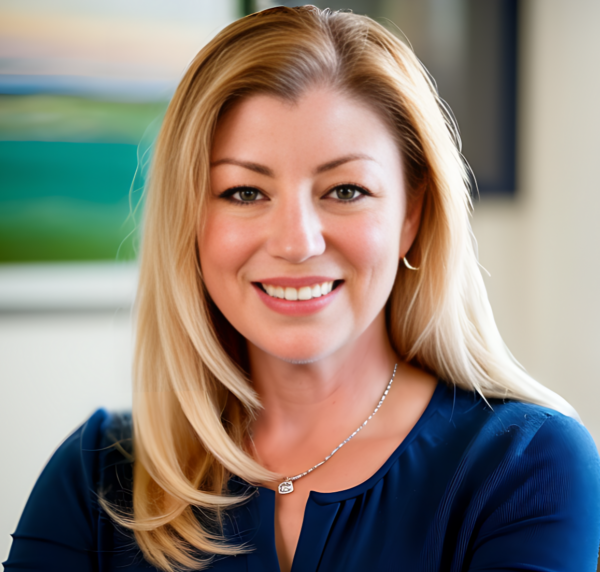 |
Angela Gillis
Sorticulture Systems Angela Gillis is the Founder & CEO of Sorticulture Systems, a HIPAA and cybersecurity consulting company based in Issaquah, Washington. She helps healthcare organizations build practical, right-sized compliance programs, with a focus on independent providers who don’t have large internal compliance or IT teams. Before founding Sorticulture Systems, Angela spent more than 20 years working in data privacy, data governance, cybersecurity, and related roles in highly regulated environments, including leadership positions at Boeing, Microsoft, and Costco. She understands the pressures healthcare and long-term care organizations face around staffing, regulation, and funding and focuses on giving leaders practical, realistic steps that support both compliance and high-quality care. |
Presented by Sorticulture Systems
Track: General
Effective wound care starts with prevention, but knowing how to respond when a wound develops and when additional intervention is needed is equally critical. This session will provide practical guidance for preventing common wounds, recognizing and assessing changes, implementing appropriate management strategies, and identifying the warning signs that indicate a need to escalate care.
| Room: Grand Pennington C (map) | Download Materials Slides, Handout 1, Handout 2, Handout 3 |
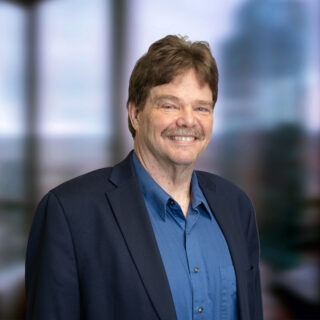 |
Carl Tabor
United Wound Healing Carl’s passion for improving the quality of life began at just 12 years old when he started volunteering in assisted living facilities, an experience that solidified his desire to make a meaningful difference in people’s lives. By the time he was 16, Carl became a certified nursing assistant, and over the past 46 years, he has dedicated himself to working in various nursing and management roles within Post Acute Care, skilled nursing facilities (SNFs), and assisted living facilities (ALFs). His extensive experience in these settings reflects his deep commitment to enhancing patient care and advocating for those in need. |
Presented by United Wound Healing
2:15 pm
When Your Team Becomes Your CommunityTrack: Leadership
Wages in long-term care rarely match the demands of the work, and that reality drives a lot of turnover. But the people who stay usually stay for reasons that have nothing to do with a paycheck. They stay for the residents and for each other. This session gets into how administrators can lean into that: building a workplace where staff feel recognized, trusted, and treated as the professionals they are. It draws on real facilities around the country that have held onto their people by getting the culture right.
| Room: Grand Pennington A (map) | Download Materials Slides |
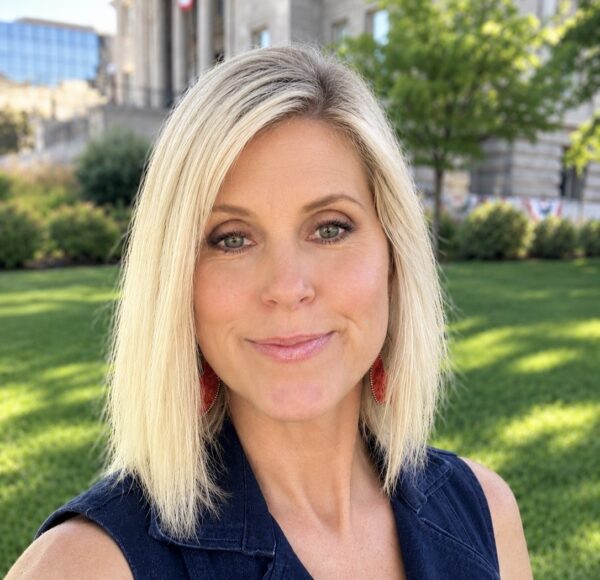 |
Amy Rainford
WebMD Ignite Amy Rainford has spent more than 20 years in healthcare, from pharmaceutical sales to health IT to enterprise partnerships. She’s Senior Director of Strategic Partnerships at WebMD Ignite, where she builds partnerships across the healthcare industry, and a connector by nature. Amy lives in Boise, Idaho, and she’s here to talk about what every leader in this room is wrestling with: how you build a team people actually want to stay on. |
Presented by WebMD Ignite
Track: Quality/Legal
Learn how your building’s physical environment influences resident safety, staff efficiency, and financial performance. Through an interactive review of common long-term care spaces, participants will identify hidden sources of “space friction” that contribute to staff burnout, resident risk, and operational challenges. Attendees will leave with a practical, repeatable framework for evaluating their own facilities and prioritizing operational and environmental improvements that enhance care, workforce stability, and organizational outcomes.
| Room: Grand Pennington B (map) | Download Materials Slides |
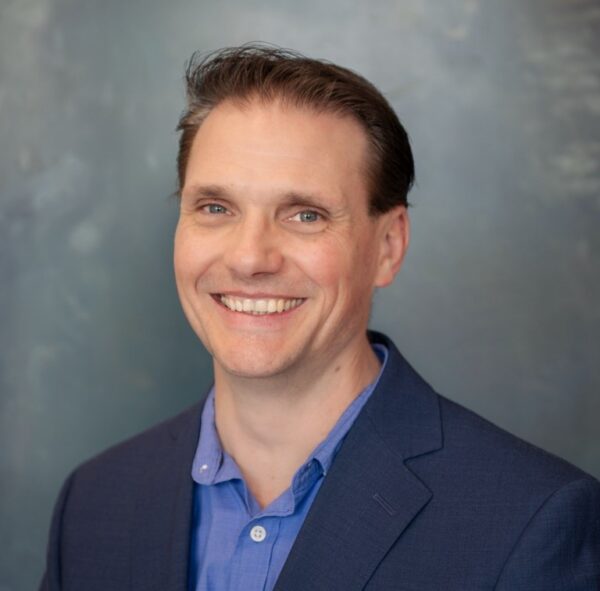 |
Michael Garrett
Arete Architecture Mike Garrett is a Washington-licensed architect and Development Lead at Areté Architecture. He works with skilled nursing and assisted living teams to identify how spatial conditions and workflow patterns support—or hinder—care delivery, staffing efficiency, resident safety, and survey readiness. His approach is systems-based and practical: helping interdisciplinary teams spot the “workarounds” that create burnout and compliance exposure, then prioritize no-capex and low-capex countermeasures that can be implemented quickly. |
Presented by Arete Architecture
Track: General
Learn how to turn exercises, emergency responses, and after-action reviews into meaningful improvements to your Emergency Operations Program. Participants will explore practical strategies for identifying gaps, strengthening policies and procedures, and applying lessons learned to future preparedness efforts. Discover how a strong after-action process can support continuous improvement and build greater organizational readiness.
| Room: Grand Pennington C (map) | Download Materials Slides |
 |
Brian Feist
Midwest QIN-QIO Brian Feist is a healthcare emergency preparedness leader with over two decades of experience supporting hospitals, nursing homes, and clinics in strengthening readiness and resilience. As Director of Emergency Preparedness Planning for the Midwest QIN-QIO, he leads multi-state initiatives that help providers align emergency preparedness with quality improvement and regulatory requirements. His background as an EMS provider, emergency department nurse, and trauma leader brings real-world insight to his work in planning, training, and exercise design. Brian serves on the Iowa Board of Nursing and is a member of the Iowa All-Hazards Incident Management Team, with a focus on advancing coordinated, patient-centered disaster response. |
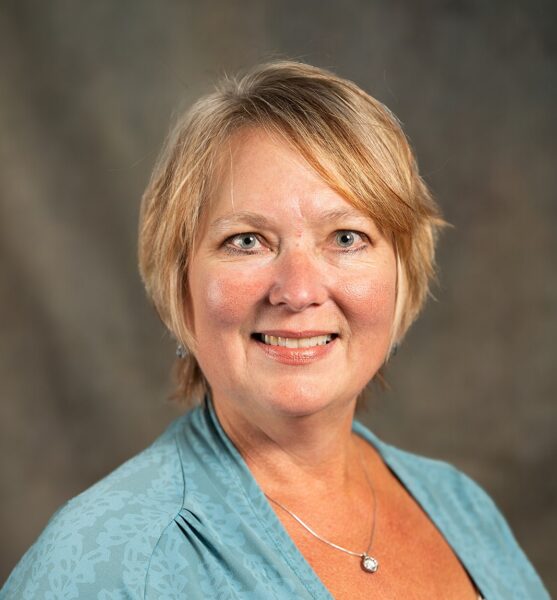 |
Amber Rogers, RN MSN
Midwest QIN-QIO Amber Rogers has been with Mountain Pacific since 2015. She has supported Montana hospitals and community coalitions to support care coordination across organizations to decrease readmission rates and improve quality across the care continuum. She also has a special interest in behavioral health focusing on substance use disorder, combatting stigma and resilience. Recently, she led Montana’s development of an Association of Infant and Child Mental Health Association overseeing the funding of consultation for childcare providers to provide social emotional learning for the young children in their care. |
 |
Meredith Koob
Midwest QIN-QIO Meredith Koob brings more than 30 years of experience spanning the healthcare continuum as a CNA, PTA, COO, Administrator, social engagement and self-management trainer, and Quality Improvement Facilitator. As a Healthcare Workforce Program Specialist with the Midwest CMS QIN-QIO, she partners with healthcare organizations across a fourteen-state region to strengthen workforce wellness, organizational culture, and quality. Her expertise includes workforce well-being, group facilitation and leader training, and Leadership and Organizing in Action (LOA). A former healthcare executive whose team earned recognition as one of Denver’s Best Places to Work, Meredith is passionate about helping healthcare leaders foster connected, high-performing teams that support both employee well-being and measurable positive outcomes. |
Presented by Midwest QIN-QIO
3:30 pm
Why Good People Keep Having the Same Problems: Finding the Operational Issues Behind Team FrustrationTrack: Leadership
Have you ever had the same problem come up over and over again, even after you’ve talked to the people involved?
The scheduler keeps making the same mistake. The caregivers aren’t following the process. Managers aren’t communicating. Someone drops the ball, you fix it, and then three weeks later you’re dealing with the exact same problem again.
At some point, it’s easy to decide, “I just have the wrong people.”
But what if the people aren’t the real problem?
When good people keep struggling with the same issues, there is often something underneath the problem that hasn’t been addressed. Maybe the process doesn’t make sense. Maybe no one knows who is responsible. Maybe expectations aren’t clear. Maybe the manager keeps stepping in and solving the problem instead of fixing what’s causing it.
In this session, we’ll look at how leaders can stop chasing individual problems and start finding the operational issues that keep creating them. Using real-world examples from senior care, we’ll explore the connection between people, processes, communication, and accountability, and why fixing the wrong thing can leave leaders frustrated and teams feeling blamed.
| Room: Grand Pennington A (map) | Download Materials Slides |
|
Jill Valdez, MS
Link Consulting Jill Valdez, is the founder of LINK Consulting, where she helps senior care organizations build stronger leaders, healthier teams, and more effective operations. With more than 30 years of leadership experience, Jill has worked alongside executives, administrators, and department leaders across the senior care continuum to improve communication, strengthen accountability, and create cultures where people and performance thrive. |
Presented by Link Consulting
Track: Quality/Legal
Working in a long-term care setting — whether in a skilled nursing facility, assisted living community, or specialized memory care unit — means navigating complex relationships between residents, families, and staff every day. When conflict arises, how it’s handled can make all the difference. This presentation will equip attendees with practical, proven conflict resolution strategies tailored to the unique challenges and diverse populations found throughout the continuum of long-term care. Participants will explore the most common sources of conflict across nursing facilities, assisted living communities, and memory care settings, learn core resolution principles including active listening, empathy, and de-escalation, and walk away with a simple yet powerful step-by-step framework — the CALM Model — they can begin using immediately. Through real-world scenarios, group discussions, and actionable tools, this presentation will empower you to transform conflict into opportunity, foster a more compassionate and communicative care culture, and ultimately drive higher satisfaction for both residents and staff while significantly reducing formal complaints and grievances across your organization. Don’t miss this opportunity to strengthen your team, honor the dignity of those in your care, and elevate the quality of life in your facility or community.
| Room: Grand Pennington B (map) | Download Materials Slides |
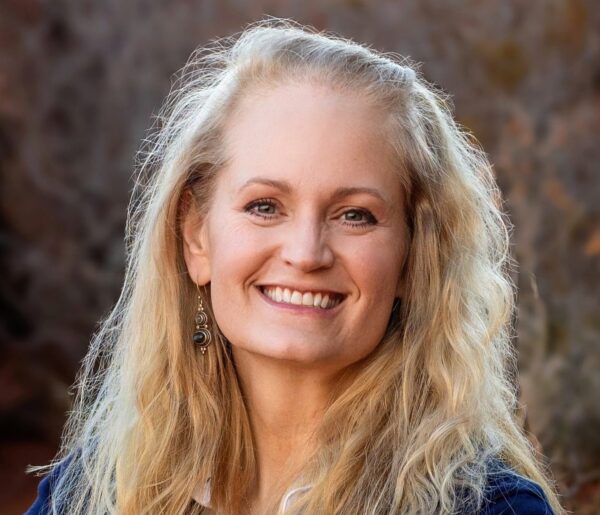 |
Rebecca Evans, NHA, MSC-NH, QCP, RCFA
Consulting Resources Rebecca Evans is Director of Operations for Consulting Resources. Rebecca brings a comprehensive perspective to compliance strategies and quality improvement. She utilizes Baldrige framework based, data-driven methodology to guide system and process development focused on the vital importance of building strong teams to effectively implement quality programs for meaningful, lasting improvements. She leads mock survey teams, guides root cause analysis, assists with writing and implementing plans of correction, policies, Independent Dispute Resolutions (IDRs) and developing and rehabilitating quality programs. She serves as a Silver Examiner for the AHCA Quality Awards Program. |
Presented by Consulting Resources
Track: General
Explore the critical steps involved in recovery, reopening, and repopulating a facility following an evacuation or emergency. Participants will discuss restoring operations, ensuring resident safety, supporting staff recovery, recognizing signs of trauma and stress, and communicating with residents, families, and community partners. Leave with practical strategies to strengthen resilience and support a safe, effective return to operations.
| Room: Grand Pennington C (map) | Download Materials Slides |
|
Brian Feist
Midwest QIN-QIO Brian Feist is a healthcare emergency preparedness leader with over two decades of experience supporting hospitals, nursing homes, and clinics in strengthening readiness and resilience. As Director of Emergency Preparedness Planning for the Midwest QIN-QIO, he leads multi-state initiatives that help providers align emergency preparedness with quality improvement and regulatory requirements. His background as an EMS provider, emergency department nurse, and trauma leader brings real-world insight to his work in planning, training, and exercise design. Brian serves on the Iowa Board of Nursing and is a member of the Iowa All-Hazards Incident Management Team, with a focus on advancing coordinated, patient-centered disaster response. |
|
Amber Rogers, RN MSN
Midwest QIN-QIO Amber Rogers has been with Mountain Pacific since 2015. She has supported Montana hospitals and community coalitions to support care coordination across organizations to decrease readmission rates and improve quality across the care continuum. She also has a special interest in behavioral health focusing on substance use disorder, combatting stigma and resilience. Recently, she led Montana’s development of an Association of Infant and Child Mental Health Association overseeing the funding of consultation for childcare providers to provide social emotional learning for the young children in their care. |
|
Meredith Koob
Midwest QIN-QIO Meredith Koob brings more than 30 years of experience spanning the healthcare continuum as a CNA, PTA, COO, Administrator, social engagement and self-management trainer, and Quality Improvement Facilitator. As a Healthcare Workforce Program Specialist with the Midwest CMS QIN-QIO, she partners with healthcare organizations across a fourteen-state region to strengthen workforce wellness, organizational culture, and quality. Her expertise includes workforce well-being, group facilitation and leader training, and Leadership and Organizing in Action (LOA). A former healthcare executive whose team earned recognition as one of Denver’s Best Places to Work, Meredith is passionate about helping healthcare leaders foster connected, high-performing teams that support both employee well-being and measurable positive outcomes. |
Presented by Midwest QIN-QIO
Tuesday, September 15
8:00 am
KEYNOTE: Leaders – You Are the Key to Resolving the ChaosToday’s leaders are navigating constant change, competing priorities, staffing challenges, and increasing uncertainty. While leaders can’t eliminate chaos, they can influence how their teams experience it. This session covers the Trough of Chaos Model of Change, helping leaders understand why people struggle during transitions and how to create an environment where trust, communication, and psychological safety help teams move from uncertainty to confidence. Participants will leave with practical strategies to reduce resistance, strengthen resilience, and become the steady leadership their teams need most.
Learning Objectives:
Understand why people naturally experience chaos during periods of change
Identify leadership behaviors that reduce fear, uncertainty, and resistance during change.
Apply practical strategies to create a positive, resilient workplace culture that helps people thrive through change.
| Room: Marie Antoinette (map) | Download Materials Slides |
 |
Molly Mackey
LEAdeRNship Institute Molly J. Mackey is an author, speaker and trainer of leaders. She believes that by intentionally intersecting the journeys of leadership and learning we can create better leaders. Better Leaders = Better Lives. Molly is the founder of the LEAdeRNship Institute and has a passion for business, leadership and learning. Molly J. Mackey received her undergraduate degree and Master of Business Administration from the University of Iowa. In the fall of 2021, she earned her Certified Professional of Talent Development (CPTD) designation from the Association of Talent Development. |
Sponsored by ERNwest
9:45 am
DO BETTER: And Other Words of Wisdom from an Old NurseTrack: Leadership
The most meaningful lessons aren’t always learned in classrooms—they’re often shared in passing conversations, quiet moments with residents, or unexpected encounters with people who leave a lasting mark on our lives. Throughout her nursing career, Vicki McNealley has collected nine memorable phrases that are simple yet powerful pieces of wisdom. Each carries a story and a lesson that has shaped the way she leads, serves, and lives.
Through heartfelt storytelling, humor, and practical reflection, this session explores how these “truth bombs” can help us navigate the challenges of long-term care while strengthening our confidence, resilience, compassion, and sense of purpose. Participants will leave inspired to recognize the wisdom that surrounds them every day, and perhaps discover a few words they’ll carry with them for years to come.
| Room: Elizabethan (map) | Download Materials Slides |
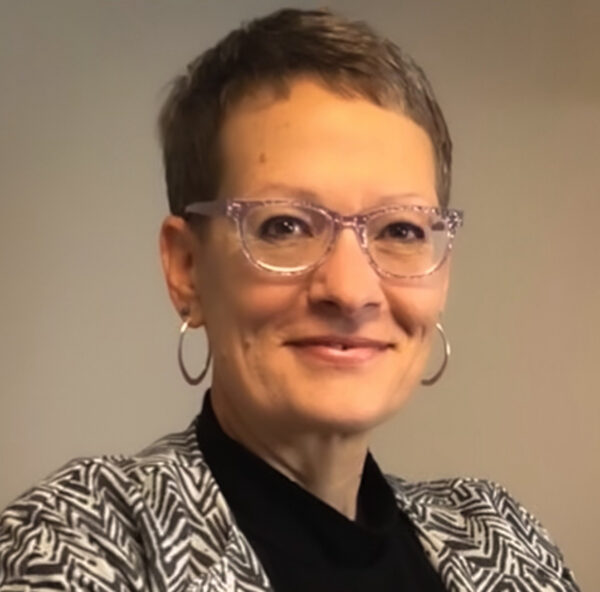 |
Vicki McNealley
Director of Assisted Living, WHCA Vicki McNealley is directly responsible for supporting WHCA member assisted living providers through regulatory clarification, nurse consultation, facility system evaluation, advocacy, and education. Vicki is responsible for developing and implementing WHCA programs to support providers in these areas. Vicki spent ten years as the assisted living director for WHCA prior to serving as the Corporate Director of Regulatory Compliance for Village Concepts for over six years. She has extensive experience as a teacher, consultant and provider, and has been involved in AL operations and policy work since 1999. Vicki has served as a national award reviewer for AHCA and worked closely with the American Assisted Living Nurses Association to develop its certification exam. Vicki is a registered nurse with a master’s degree in community health nursing and a doctorate degree in nutrition. |
Presented by WHCA
Track: Quality/Legal
As a leader, have you ever wondered what is involved in overseeing and supporting your facility’s infection prevention and control (IPC) program? Or how to help your IPC team when the inevitable problem arises? Infection prevention in long-term care is more critical than ever, yet it remains one of the most frequently cited deficiencies. As residents enter care with increasingly complex medical needs, higher acuity, and emerging infectious risks, leaders and infection preventionists must be ready to recognize vulnerabilities, manage risk, and respond with confidence. This session will address what it takes to support a strong infection prevention and control (IPC) program—and how leaders and IPC teams can work together to address challenges, strengthen a culture of safety, and protect residents, staff, and visitors.
| Room: Isabella (map) | Download Materials Slides, Handout |
 |
Shannon Cupka
Comagine Health Shannon Cupka, Ed.M., is a Senior Improvement Advisor at Comagine Health, managing initiatives to improve care quality, performance measures and clinical outcomes. Shannon has an extensive advocacy background, working with vulnerable and underserved individuals in community-based and long-term care settings, and convening stakeholder coalitions to address care gaps and systems issues. She has a master’s degree in counseling psychology and more than twenty years’ experience with geriatric and behavioral health populations as a direct care provider, clinician, advocate, consultant and trainer. Over the past few years Shannon has coordinated infection prevention initiatives across five states supporting a variety of healthcare settings. |
Presented by Comagine Health
Track: General
Today’s workforce has changed—and outdated hiring and retention strategies are no longer effective. In this session, participants will explore how to modernize recruitment, streamline hiring processes, and create meaningful first impressions that drive engagement and retention. With a focus on culture, speed, and the employee experience, this presentation provides practical, actionable strategies to help senior living leaders attract top talent, reduce early turnover, and build a more stable, committed workforce.
| Room: Flowerfield (map) | Download Materials Slides |
 |
Gina Johnston, LNHA
LeaderStat Gina (Mancini) Johnston serves as the Director of Workforce Solutions at LeaderStat, bringing over a decade of experience in the long-term care industry. Her leadership background spans skilled nursing, assisted living, and independent living communities, providing her with a well-rounded perspective on senior care operations. In her role at LeaderStat, Gina leads the Workforce Solutions division, overseeing innovative programs designed to optimize staffing strategies. Her work includes streamlining agency management, supporting providers in securing permanent talent, and delivering customized recruitment and hiring assessments that drive sustainable workforce improvements. Gina is also a recognized subject matter expert in Medication Aide Training programs and actively contributes to multiple Professional Development and Workforce Committees across several states. |
Sponsored by Teton AI
10:30 am
IHCA Board MeetingIHCA is committed to open, transparent communication with the businesses and long-term care providers we serve. All members are invited to this Board Meeting.
| Room: Porter (map) | Meet the Board |
 |
IHCA Board of Directors |
Sponsored by Consulting Resources
11:00 am
What Do You Mean My Service Plan Isn’t Resident Centered?!Track: Leadership
Resident-Centered Care: 101 1. Why Compliance Matters Protects residents Protects staff Protects the community’s license Supports quality of life and dignity Helps prevent survey deficiencies * Compliance is not about paperwork—it’s about resident safety and choice. 2. What is Resident-Centered Care? Definition: Care that respects each resident’s preferences, choices, needs, and goals. “What matters to the resident?” not “What is easiest for us?” 3. Washington Assisted Living Requirements Focus on: Assessment Completed before move-in when possible Identifies needs, risks, preferences Negotiated Care Plan Based on assessment Reflects resident choices Updated with changes in condition Service Delivery Provide care as written Follow physician orders Document completed services 4. Significant Change of Condition Staff must recognize and report: Falls Hospitalizations New wounds Weight loss Cognitive decline Behavior changes Increased assistance needs Remember: Observe → Report → Assess → Update Care Plan → Document 5. Memory Care Compliance Focus Areas: Person-centered approaches Behavioral interventions before medication when appropriate Safe environment Meaningful engagement Individualized care plans Avoid: One-size-fits-all approaches Restricting resident rights without justification 6. Resident Rights Residents have the right to: Privacy Dignity Respect Participate in decisions Voice concerns Be free from abuse and neglect Ask: “Would I want this for my family member?” 7. Documentation Made Easy If it wasn’t documented: Surveyors may assume it wasn’t done. Documentation should be: Objective Timely Accurate Complete Avoid: Opinions Assumptions Copy/paste charting 8. Top Survey Risks Medication errors Incomplete assessments Outdated care plans Poor follow-up after significant changes Inadequate staffing oversight Missing documentation Failure to notify providers/families 9. Compliance Checklist for Leaders Every Day.
| Room: Elizabethan (map) | Download Materials Slides |
 |
Christy Jacobo
Prestige Senior Living Christy Jacobo, RN serves as Vice President of Clinical Services and brings more than a decade of experience in senior living. Beginning her career as a Health and Wellness Director in Assisted Living, Christy has advanced through leadership roles supporting communities across multiple states. Her expertise spans Assisted Living and Memory Care operations, with a strong focus on regulatory compliance, quality improvement, and resident-centered care. Christy is passionate about helping communities deliver exceptional clinical outcomes while navigating the challenges of limited resources. Through her leadership, Christy partners with teams to build sustainable practices that enhance quality of care and support positive outcomes for residents, families, and care teams alike. |
Presented by Prestige Senior Living
Track: Quality/Legal
On July 16, the Centers for Medicare and Medicaid Services (CMS) released the long-awaited guidance on the Nursing Home Risk-Based Survey (RBS) National Implementation. CMS plans to implement the nationwide RBS on September 8, 2026. Currently, about 12% of all nursing facilities nationwide will qualify for the new RBS survey process. In this session, we will learn the criteria facilities need to meet to qualify, discuss how this survey process will be implemented in our state, and steps to take to assist your facility in the RBS process.
| Room: Isabella (map) | Download Materials Slides |
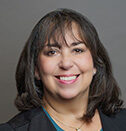 |
Elena Madrid
EVP of Education and Regulatory Affairs, WHCA Elena Madrid’s long and focused background in survey and enforcement as a surveyor and field manager for DSHS provide her with extensive knowledge and insight on regulatory compliance, the survey process, and policies and procedures. As staff liaison to the Skilled Nursing Facility Quality and Regulatory Executive Advisory Committee for WHCA, Elena works with members to promote quality care and services at every level. At DSHS Residential Care Services, Elena was responsible for the supervision of licensors, surveyors, and complaint investigators for assisted living communities, skilled nursing facilities, and adult family homes in eastern Washington. Elena has also worked as a director of nursing in both assisted living and skilled nursing. She is a registered nurse and brings a wealth of knowledge regarding long term care requirements and the regulatory issues affecting long term care providers. Elena is currently serving as co-chair on the AHCA Survey and Regulatory Committee and is a member of the AHCA/NCAL Quality Cabinet. |
Presented by WHCA
Track: General
The Art of Investigation will equip providers with the knowledge and practical skills needed to conduct effective incident investigations. Participants will learn how to move beyond surface-level facts to identify root causes, gather objective information, and document findings clearly and defensibly. This presentation emphasizes a systematic and resident-centered approach to investigations that supports regulatory compliance, reduces repeat incidents, and promotes a culture of risk mitigation and accountability.
| Room: Flowerfield (map) | Download Materials Slides |
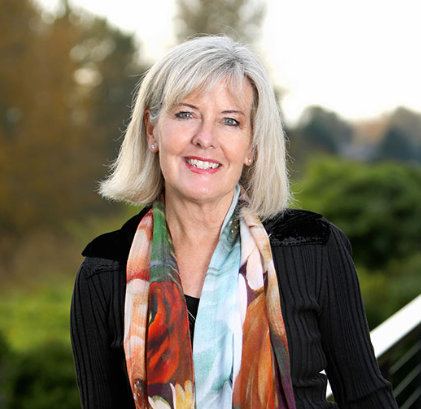 |
Cynthia McDaniel
Elderwise/NurseLearn Cynthia McDaniel is a registered nurse and the CEO of NurseLearn and Elderwise Inc. She has been consulting in the fields of elder care and assisted living for more than 30 years. She has also had a private practice as a geriatric care manager, been a regional director of clinical operations for a senior living company and held the administrator/director position of professional service for a home health agency. Cynthia was an assistant professor at Oregon Health & Science University School of Nursing, where she developed and led online population-based nursing courses and has authored and published over 100 online courses related to community-based care. Cynthia holds a Master of Science in Nursing from Gonzaga University. She is a Fellow of the Sigma Theta Tau/John A. Hartford Foundation Geriatric Nursing Leadership Academy. Cynthia is the co-founder of the Gero Leadership Alliance and the Community Nurse Network. |
Sponsored by Teton AI
1:45 pm
Clinical Leadership: The 6th Star of QualityTrack: Leadership
5-star ratings reflect outcomes, but they do not capture the leadership that creates them. Clinical leadership is the force enhancing care delivery, shaping culture, driving accountability, stabilizing teams, and protecting residents and families long before the results appear on any report. This session invites nurse leaders, administrators, and owners to reimagine their role: to see leadership not as a set of tasks but as a transformative influence- the 6th Star of Quality. When leadership leads with intention, every metric, every survey, every outcome becomes a reflection of the care and culture at the center of the organization. True quality is not measured- it is led.
| Room: Elizabethan (map) | Download Materials Slides |
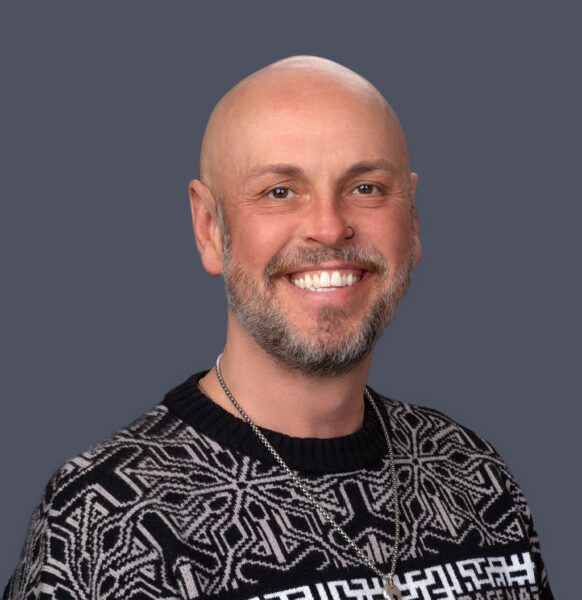 |
Chukk Nielson
Avamere Starting his healthcare career as a CNA and graduating with his nursing degree from Boise State University, Chukk has progressed through nursing leadership roles including Director of Nursing, Regional Director of Clinical Services, Division Director of Clinical Services, and Chief Nursing Officer overseeing multi-state operations and driving improvements in quality, efficiency, and staff development. With extensive leadership experience, he is recognized for strategic vision and operational excellence. Most recently serving as Director of Quality Assurance for Avamere Healthcare, he has demonstrated a proven ability to elevate patient care standards, mentor teams, and calls Washington his greatest source of influence. |
Presented by Avamere
Track: Quality/Legal
Every picture tells a story, and in reimbursement, the picture is constantly changing. This session will examine the new Idaho and Washington Medicaid rates effective July 1, 2026, highlighting the key drivers behind recent rate changes and what they mean for provider operations and financial performance. We will break down the factors influencing reimbursement, including case mix, resident acuity, cost reporting, quality measures, and state budget constraints. Attendees will gain insight into the reimbursement elements that are within their control and the operational practices that can help maximize available funding opportunities. We will discuss short-term strategies that can improve reimbursement performance. We will also explore long-term strategies focused on workforce investments, quality improvement, occupancy management, and advocacy efforts that support sustainable reimbursement growth. In addition, the session will provide an update on Medicare payment policies scheduled to take effect October 1, 2026, under the FY 2027 Skilled Nursing Facility PPS. Current CMS proposals include a net Medicare payment update of approximately 2.4%, revisions to Quality Reporting Program requirements, changes to Value-Based Purchasing timelines, and continued scrutiny of PDPM case-mix trends. We will discuss what these changes could mean for operators and how organizations can prepare operationally and financially before implementation. By the end of the session, attendees will understand not only what the reimbursement picture looks like today, but also the story it tells about future opportunities, risks, and strategies for success
| Room: Isabella (map) | Download Materials Slides |
 |
Amy Seils
PACS Amy Seils is the Senior Director of Reimbursement for PACs and has nearly 30 years of experience in Medicaid and Medicare reimbursement, healthcare finance, and regulatory compliance. Throughout her career, she has worked extensively with skilled nursing and long-term care providers, helping organizations navigate complex reimbursement systems, optimize financial performance, and respond to changing regulatory requirements. Amy specializes in Medicaid rate setting, Medicare reimbursement, cost reporting, audit management, and reimbursement strategy. She is passionate about helping providers understand the story behind the numbers and translating complex reimbursement data into practical, actionable strategies that support operational and financial success. |
Presented by PACS
Track: General
Many healthcare organizations face an overwhelming content creation burden while simultaneously needing to amplify awareness for critical, locally-significant public health issues. This session reveals a high-impact, sustainable strategy for bridging that gap: structuring effective, in-curriculum service learning partnerships with community college and university communication, marketing, and public relations programs. We will walk through how to transform your specific communication needs (e.g., social media strategy, website content, campaign research, creating materials) into real-world projects that are completed by student-led teams. Participants will learn how to set clear project goals, define workflows, and gain a semester’s worth of applied labor focused on high-priority initiatives, ensuring your organization maximizes its communication capacity with minimal strain on existing staff.
| Room: Flowerfield (map) | Download Materials Slides, Handout 1, Handout 2, Handout 3 |
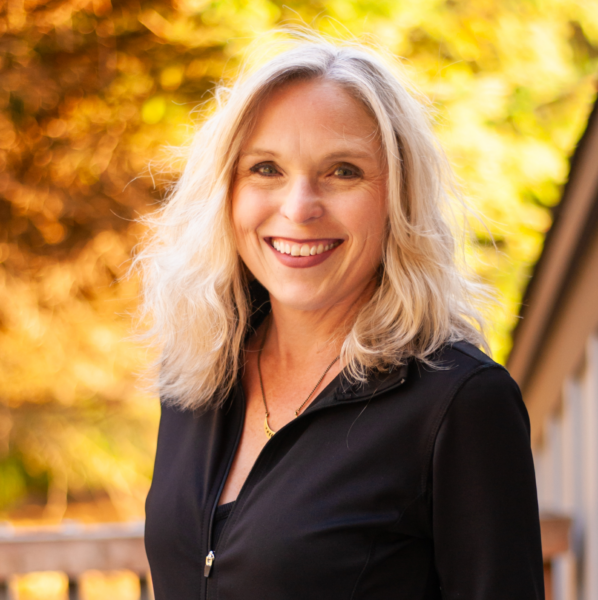 |
Rebecca Cooney
WSU Rebecca Cooney is distinguished professor of strategic communication at Washington State University. She teaches courses in branding, advertising, and digital marketing, leads undergraduate assessment efforts for Murrow College, and serves as a co-investigator; communications specialist and instructional designer on three federally funded research grants and projects. She is professionally certified in learning experience design and holds a BA and MA in communication. |
Sponsored by Teton AI
2:00 pm
WHCA Board MeetingWHCA is committed to open, transparent communication with the businesses and long-term care providers we serve. All members are invited to this Board Meeting.
| Room: Porter (map) | Meet the Board |
 |
WHCA Board of Directors |
Sponsored by Healthcare Services Group
3:00 pm
Picture This: Practical AI Tools Every Long-Term Care Leader Can UseTrack: Leadership
AI is no longer just a future trend. It is a practical tool that can help long-term care professionals save time, improve communication, create stronger training materials, and streamline everyday tasks. This interactive session will share real-world AI applications specifically relevant to skilled nursing and assisted living, along with practical tips and tricks you can use. Leave with actionable ideas, time-saving strategies, and the confidence to start using AI immediately, regardless of your experience level.
| Room: Elizabethan (map) | Download Materials Slides |
 |
Sara Bayer
Haystack Robotics Sara Bayer is a leading voice at the intersection of healthcare innovation and private sector business growth. She brings over a decade of expertise in private practice and specialty clinical management, AI-driven solutions, and clinical training. In addition to her work in medtech, she maintains an active role in scientific research. Sara has contributed to major healthcare think tanks, developed cutting-edge AI applications, and now plays a pivotal role in advancing the adoption of healthcare automation through her work with Haystack Robotics. |
Presented by Haystack Robotics
Track: Quality/Legal
Has something sparked your interest in Advocacy? Have you seen your colleagues showcase their facility to district representatives and other dignitaries? Facility tours are an essential part of advocacy and a wonderful way to engage your communities as a voice for the future of long-term care. They provide substantial opportunities for educating lawmakers in Washington and Idaho. Wherever you are, your ability to tell your story to policy makers is essential to sharing and shaping perceptions and attitudes about SNF and AL care.
Learn how to prepare, plan, and execute a facility tour with a district legislator, dignitary, or other government personnel. We will overview the structure of a facility tour, build talking points, and walk through how our organizations target specific legislators in key areas to drive messages of change and sustainability. In this, we hope to dispel barriers to entry and uplift providers who have stories to tell.
| Room: Isabella (map) | Download Materials Slides |
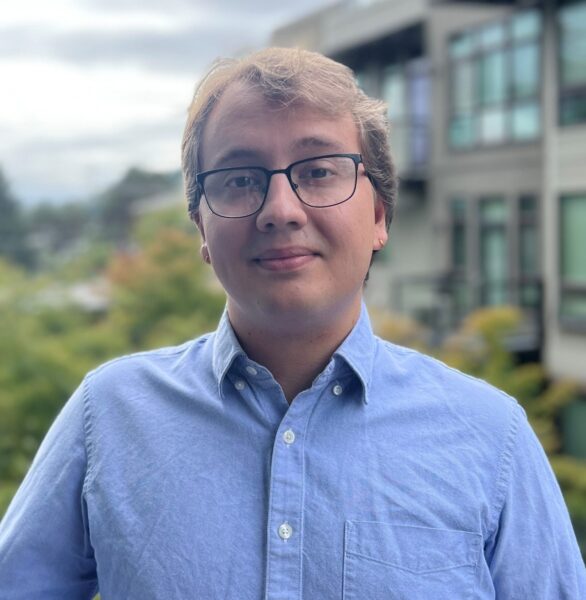 |
Aidan Swayne
Government Relations Coordinator, WHCA Aidan serves as Government Relations Coordinator for WHCA. Aidan’s background spans from nonprofit advocacy and fundraising management to policy research and development work with the U.S. State Department. Aidan recently graduated from the University of Washington, and holds a degree in International Affairs. He is excited and honored to be working with WHCA members to drive meaningful policy change by equipping them with strategies to tell their stories and connect better with our policy instruments here in Washington. Aidan has previously worked with the state House of Representatives supporting nonpartisan research staff as a Committee Assistant with the Office or Program Research. |
Presented by WHCA
Track: General
The art of effective social media marketing requires that an organization be adept at creating targeted content that speaks to right person, in the right way, at the right time. Digital campaigns are designed with a series of unique pillars in mind that are all vital when working in tandem with a broader communication strategy. In this session we will walk through a series of steps for building a social media strategy framework, talk specifically about digital campaign planning and implementation including guidelines for sharing your message across multiple channels, and then close with information about metrics planning and optimization for sustainable outcomes.
| Room: Flowerfield (map) | Download Materials Slides, Handout |
|
Rebecca Cooney
WSU Rebecca Cooney is distinguished professor of strategic communication at Washington State University. She teaches courses in branding, advertising, and digital marketing, leads undergraduate assessment efforts for Murrow College, and serves as a co-investigator; communications specialist and instructional designer on three federally funded research grants and projects. She is professionally certified in learning experience design and holds a BA and MA in communication. |
Sponsored by Teton AI
4:15pm
Beyond Burnout: The Missing Strategy for Retaining Long-Term Care Leaders – Building Whole-Person WellnessTrack: Leadership
Burnout in long-term care requires more than simply reducing stress, or relying on higher wages, fringe benefits, and the occasional piece of marketing swag. Meaningful, sustainable change requires a broader approach that recognizes the whole person and the many factors that influence well-being at work and beyond.
In this engaging session, long-term care leaders will explore a whole-person approach to preventing and addressing burnout, while reflecting on their own well-being and the culture they create for others. Participants will move beyond quick fixes to consider what truly helps people feel supported, connected, resilient, and able to thrive. They’ll leave with practical, realistic, evidence-based strategies they can use to strengthen their own well-being and foster healthier, more sustainable teams.
| Room: Elizabethan (map) | Download Materials Slides |
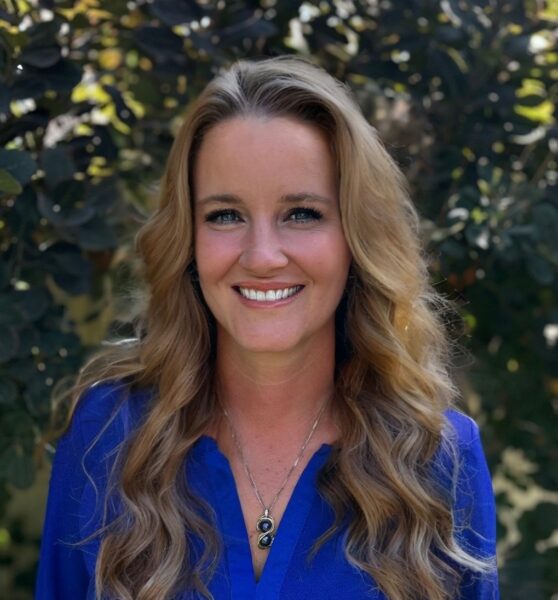 |
Cecilia Owsley, MSN, RN, RCA, CYT
Nightingale Cecilia Owsley is Principal Consultant at Nightingale, where she helps assisted living, behavioral health, community-based care, and healthcare organizations strengthen their operations, compliance, quality of care, and more. She brings over 25 years of healthcare leadership experience, having served as COO, CNO, Executive Director, and Director of Nursing in assisted living and community-based care settings, alongside bedside and leadership roles in acute care. Cecilia also leads Nightingale’s Organizational Wellness practice, where she works with healthcare and long-term care leadership teams to confront burnout at its root, build cultures that retain talent, and design whole-person wellness strategies with the same operational rigor typically reserved for patient and resident care. |
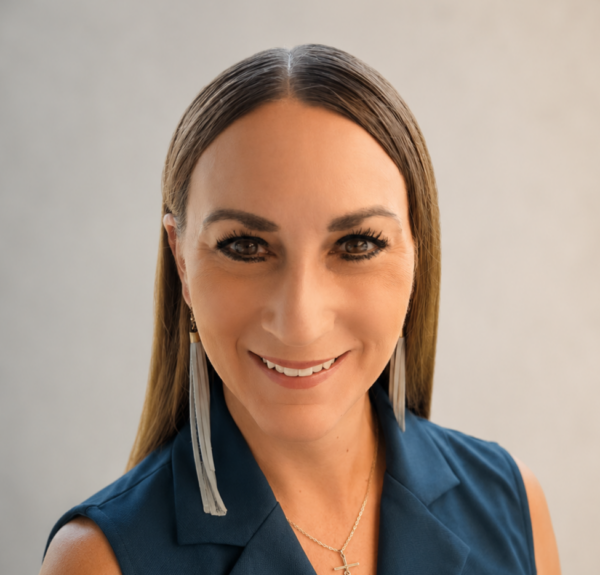 |
Dr. Jolynn Hunt, PhD, MSHCM
IO Consulting Dr. Jolynn Hunt is the Founder of IO Consulting, a Workplace Psychologist, Wellness Coach, and passionate advocate for those who serve in long-term care. With more than 20 years of experience in business, leadership, and human development—including 15 years in senior living—she brings a unique blend of industry experience, psychology, and whole-person wellness to her work. Her doctoral research examined the impact of personal wellness on job satisfaction and turnover intention among long-term care administrators across the nation, strengthening her commitment to improving the well-being of those who lead and serve in long-term care. Prior to founding IO Consulting, Dr. Hunt spent seven years as Chief Marketing Officer for a 14-facility Assisted Living and Memory Care organization, helping lead the company to an average occupancy rate of 100% across its communities. |
Presented by Nightingale and IO Consulting
Track: Quality/Legal
Falls are one of the leading causes of injury, hospitalization, and functional decline in older adults living in long-term care, skilled nursing facilities, and assisted living communities. Fall prevention is the responsibility of every health care professional. This session will approach falls not only as a clinical and regulatory challenge, but also as a human experience—shaping dignity, independence, and quality of life for residents and families. Participants will gain an evidence-based, interdisciplinary framework for fall prevention, mitigation, and response, with practical strategies that bring together nursing, rehabilitation, pharmacy, social work, and administrative teams. The presentation will highlight core prevention measures such as mobility and balance programs, medication optimization, and environmental modifications, while also addressing the realities of frailty, multimorbidity, and the unique needs of residents nearing the end of life. Mitigation and response practices—including rapid assessment, injury reduction, and post-fall huddles—will be illustrated through real-world case examples that integrate clinical best practices with person-centered decision-making. Attendees will leave with practical tools and compassionate approaches to reduce falls, improve outcomes, and foster a culture of safety that honors the goals and values of each resident.
| Room: Isabella (map) | Download Materials Slides |
 |
Sing Palat
Optum Sing Palat, MD, CMD, is a medical director for Optum Senior Community Care. She works with advance practice clinicians in long-term care settings and serves as Associate Clinical Professor at the University of Colorado. |
| Amy Jones
Optum
|
|
 |
April Meckel
Optum April Meckel is a Clinical Service Manager for Optum. |
Presented by Optum
Track: General
Every successful discharge depends on what happens after a patient leaves the facility. This presentation will focus on reducing readmissions, improving patient outcomes, and strengthening collaboration between hospitals, skilled nursing, assisted living, and home care providers. Participants will learn practical approaches to closing gaps in communication and creating a true continuum of care.
Key Takeaways
• Reduce avoidable readmissions.
• Improve patient and family satisfaction.
• Build stronger cross continuum partnerships.
| Room: Jeff Mason (map) | Download Materials Slides |
 |
Jeff Mason
Serengeti Care Jeff Mason serves as the Director of Growth & Strategic Partnerships at Serengeti Care, where he leads the company’s franchise division and drives strategic expansion across existing and emerging markets. Jeff is a licensed retirement community administrator and has spent years working directly alongside caregivers, client care managers, and referral partners. In addition to his healthcare leadership, Jeff is actively involved in nonprofit and humanitarian initiatives focused on underserved communities, particularly in Africa. Earlier in his career, Jeff served as a volunteer firefighter and EMT, gaining firsthand experience in emergency response, and teamwork under pressure. He has also volunteered in mobile clinic operations in rural Africa, supporting care delivery from a field ambulance in resource-limited environments. |
Sponsored by Teton AI
Wednesday, September 16
Special 3-Part Session: Beyond the Dementia Behaviors
8:00am
What Actually Works: International Evidence From thousands of Care Organizations from Asia, America and EuropeTrack: Clinical
We already know behaviour is communication. We’ve known it for years. We changed words, but this hasn’t changed outcomes. Working with a global team of healthcare professionals inside hospitals, skilled nursing communities, and memory care settings across France, Portugal, Spain, Switzerland, Japan, Singapore, Chile, Colombia, and South Korea, gave us great expertise. This session skips the theory we’ve already heard multiple times and goes straight to the question that matters: what techniques actually reduce neuropsychiatric symptoms such as care resistance and aggression, and their consequences.
Leaders will see real before/after data from multi-country implementations, understand why “read the resident’s needs” has unwillingly disempowered staff instead of helping them, and be introduced to the shift the whole day is built on: from subjective, unmeasurable care philosophy to skills-based, observable, teachable techniques.
| Room: Grand Pennington C (map) | Download Materials Handout, Skills Audit, Slides |
 |
João Pärtel Araújo
Arvo João Pärtel Araújo has spent his career at the point where dementia care actually happens: the morning wash, the refused meal, the moment a caregiver either connects or loses the person. A nurse trained at the University of Coimbra, he holds a master’s in healthcare management from RCSI, an MBA in social economy, and is completing a doctorate at Coimbra on Humanitude and care refusal in people with cognitive impairment. He is a Humanitude trainer with worldwide reach, co-founded Humanitude Portugal before handing it to its staff as a cooperative. A published researcher and former assistant professor of nursing, he now serves as Clinical VP at Arvo, building caregiver skill training grounded in evidence. |
Presented by Arvo
9:15am
The Skill, Not the Sentiment: Making Great Care ObservableTrack: Clinical
“Be respectful. Know the person’s history. Respect the personhood. Meet the person where the person is.” Every professional in the field knows and says this, but how do we translate it into practice? It can be taught, observed, measured, and coached. This session takes what the best teams in dementia care in the world actually do and breaks it down into a procedure specific enough that a leader can stand in a doorway, see whether it’s happening, and give it a score. Leaders will walk away with an observable checklist covering entering a room to provide care, responding to repeated care refusal, a showering sequence that reduces future refusals, and responding to behavioral expressions in the moment.
Leaders leave with a concrete, walk-the-floor checklist of observable markers they can use the next day.
| Room: Grand Pennington C (map) | Download Materials Handout, Checklist, Slides |
|
João Pärtel Araújo
Arvo João Pärtel Araújo has spent his career at the point where dementia care actually happens: the morning wash, the refused meal, the moment a caregiver either connects or loses the person. A nurse trained at the University of Coimbra, he holds a master’s in healthcare management from RCSI, an MBA in social economy, and is completing a doctorate at Coimbra on Humanitude and care refusal in people with cognitive impairment. He is a Humanitude trainer with worldwide reach, co-founded Humanitude Portugal before handing it to its staff as a cooperative. A published researcher and former assistant professor of nursing, he now serves as Clinical VP at Arvo, building caregiver skill training grounded in evidence. |
Presented by Arvo
10:30am
Why It Doesn’t Stick: Building Skills That Survive the ShiftTrack: Clinical
We’ve all been to training. We’ve done the annual dementia course. Yet nothing changes the next day during care. This session is about why, and what to do instead. We’ve taken this exact problem, training that evaporates by week two, and solved it at scale across multiple countries and care systems. Leaders will understand why one-time training fails according to implementation science, and why their organization isn’t the exception; how to build micro-learning and peer-to-peer skill coaching into a schedule stretched across shifts; what AI-supported skill reinforcement looks like in practice, not as a buzzword but as a tool for upholding quality of care over time; and a practical model for moving staff from knowing what they should do to actually doing it, consistently, even under pressure.
| Room: Grand Pennington C (map) | Download Materials Handout, Skills Audit, Slides |
|
João Pärtel Araújo
Arvo João Pärtel Araújo has spent his career at the point where dementia care actually happens: the morning wash, the refused meal, the moment a caregiver either connects or loses the person. A nurse trained at the University of Coimbra, he holds a master’s in healthcare management from RCSI, an MBA in social economy, and is completing a doctorate at Coimbra on Humanitude and care refusal in people with cognitive impairment. He is a Humanitude trainer with worldwide reach, co-founded Humanitude Portugal before handing it to its staff as a cooperative. A published researcher and former assistant professor of nursing, he now serves as Clinical VP at Arvo, building caregiver skill training grounded in evidence. |
Presented by Arvo
Special 3-Part Session: Ask The Expert
8:00am
Ask the AttorneysTrack: Quality/Legal
Bring your toughest legal questions to a panel of experienced long-term care attorneys from Washington and Idaho. This interactive session gives you direct access to legal experts who understand the unique challenges facing skilled nursing and assisted living providers. Focusing on regulatory compliance, resident rights, and emerging legal topics affecting assisted living and skilled nursing facilities, no topic is off limits. Submit your questions in advance (cards provided at each table) or ask them live during the session and walk away with practical guidance you can apply immediately.
| Room: Grand Pennington A + B (map) |
 |
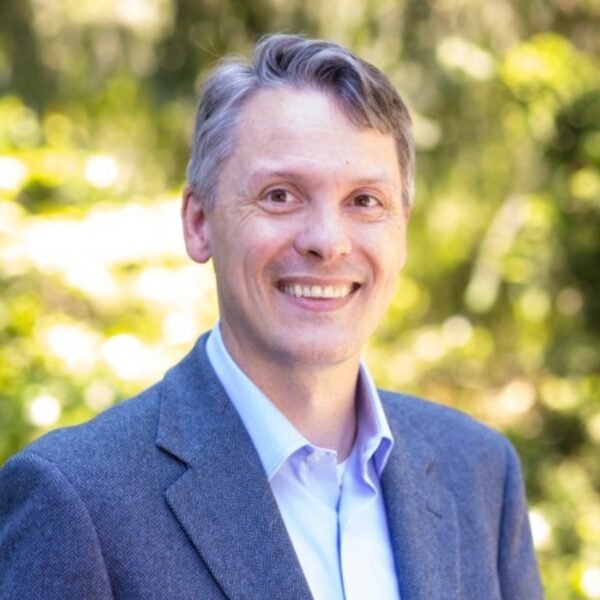
Greg Pyle
Ballard Spahr
|
 |
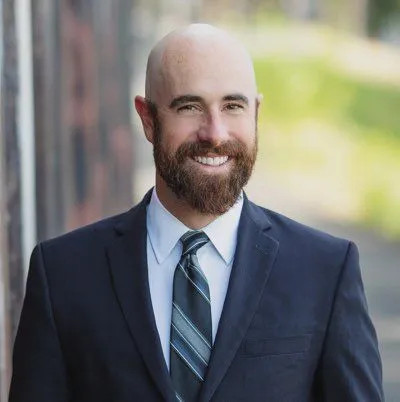
Stephen Geissler
Aegis
|
 |
Luke Malek
Malek + Malek Attorneys
|
Presented by Ballard Spahr, Aegis, and Malek + Malek Attorneys
9:15am
Ask the HR ExpertsTrack: Quality/Legal
Managing people has never been more complex. Join a panel of experienced human resources professionals as they answer your most pressing HR questions affecting long-term care providers. Whether you’re navigating hiring and retention, employee relations, leave management, performance issues, investigations, documentation, wage and hour concerns, or workplace culture, this interactive session is your opportunity to receive practical, real-world advice. Submit your questions ahead of time (cards provided at each table) or ask them live and benefit from the discussion with your peers.
| Room: Grand Pennington A + B (map) |
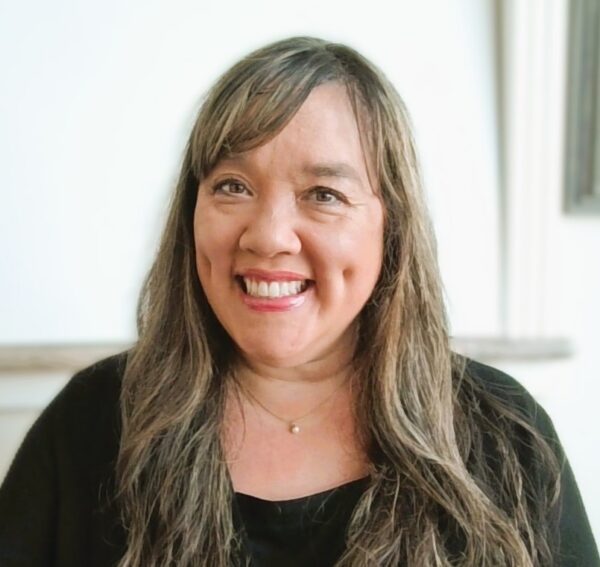 |
Lynette Hatscher
Shared HR Services At the beginning of 2012, Lynette founded Shared HR Services to provide small and mid-sized businesses across the U.S. with a wide range of comprehensive, cost-effective, strategic, and practical human resources consulting services. Lynette graduated cum laude with a BA in Business Administration and Management from the University of Washington’s School of Business. She now has over 25 years of HR leadership experience, which she uses as a base to deliver expert outsourced HR consulting services to employers around the U.S. Lynette is SPHR-certified (Senior Professional Human Resources) via the HR Certification Institute (HRCI) and SHRM-SCP-certified. |
Presented by Shared HR Services
10:30am
Ask the Insurance ExpertsTrack: Quality/Legal
Insurance plays a critical role in protecting your organization, but understanding your facility’s coverage and managing risk can be challenging. Join a panel of insurance and risk management professionals as they answer your questions about liability, property and casualty coverage, cyber liability, claims management, loss prevention, and emerging risks impacting long-term care providers. Whether you’re looking to better understand your policies or reduce your organization’s exposure, this interactive session offers practical insights and expert guidance. Submit your questions (cards provided at each table) in advance or ask them live during the session.
| Room: Grand Pennington A + B (map) |
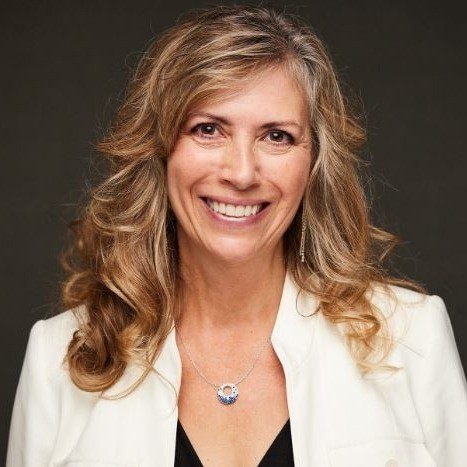 |
Deanna Winchester
Propel Insurance While Deanna has 30 years of experience in the Property & Casualty and Professional Liability Insurance arena, everyone knows her real expertise is her commitment to open and honest communication. With clients, carriers, and fellow Propel employees alike. Her approach is consultative, not transactional which means she ‘gets under the hood,’ addresses challenges holistically, and provides the most relevant solutions available. |
| Steve Cherney, MBA, CPCU
CNA Insurance Steve Cherney serves as an AVP of Underwriting at CNA Insurance. |
|
| Ken Strong
Propel Insurance Ken Strong serves as a Claims Consultant at Propel Insurance. |
Presented by CNA Insurance and Propel Insurance
Track: Leadership
Monday
1:00pm: Building Your Dream Team Without Starting From ScratchYou know that team member who drives you crazy? The one who is great with residents but creates drama with everyone else. Or the department that never seems to communicate with another department. Or the employee who says, “Nobody told me,” even though you know they were told three times.
Maybe you’ve thought, “I just need better people.”
But what if you don’t need a whole new team? What if you need to understand what’s getting in the way of the team you already have?
Based on Patrick Lencioni’s The Five Dysfunctions of a Team, this session will take a practical look at the five things that can derail even a team full of good people: lack of trust, avoiding hard conversations, lack of commitment, avoiding accountability, and losing sight of results.
Using real-world examples from senior care, we’ll look at what these problems actually look like in the workplace and what leaders can do about them. You’ll leave with a better understanding of where your team may be stuck and practical ways to start moving them forward without immediately assuming the answer is another job posting.
| Room: Grand Pennington A (map) | Download Materials Slides |
|
Jill Valdez, MS
Link Consulting Jill Valdez, is the founder of LINK Consulting, where she helps senior care organizations build stronger leaders, healthier teams, and more effective operations. With more than 30 years of leadership experience, Jill has worked alongside executives, administrators, and department leaders across the senior care continuum to improve communication, strengthen accountability, and create cultures where people and performance thrive. |
Presented by Link Consulting
Wages in long-term care rarely match the demands of the work, and that reality drives a lot of turnover. But the people who stay usually stay for reasons that have nothing to do with a paycheck. They stay for the residents and for each other. This session gets into how administrators can lean into that: building a workplace where staff feel recognized, trusted, and treated as the professionals they are. It draws on real facilities around the country that have held onto their people by getting the culture right.
| Room: Room (map) | Download Materials Slides |
|
Amy Rainford
WebMD Ignite Amy Rainford has spent more than 20 years in healthcare, from pharmaceutical sales to health IT to enterprise partnerships. She’s Senior Director of Strategic Partnerships at WebMD Ignite, where she builds partnerships across the healthcare industry, and a connector by nature. Amy lives in Boise, Idaho, and she’s here to talk about what every leader in this room is wrestling with: how you build a team people actually want to stay on. |
Presented by WebMD Ignite
Have you ever had the same problem come up over and over again, even after you’ve talked to the people involved?
The scheduler keeps making the same mistake. The caregivers aren’t following the process. Managers aren’t communicating. Someone drops the ball, you fix it, and then three weeks later you’re dealing with the exact same problem again.
At some point, it’s easy to decide, “I just have the wrong people.”
But what if the people aren’t the real problem?
When good people keep struggling with the same issues, there is often something underneath the problem that hasn’t been addressed. Maybe the process doesn’t make sense. Maybe no one knows who is responsible. Maybe expectations aren’t clear. Maybe the manager keeps stepping in and solving the problem instead of fixing what’s causing it.
In this session, we’ll look at how leaders can stop chasing individual problems and start finding the operational issues that keep creating them. Using real-world examples from senior care, we’ll explore the connection between people, processes, communication, and accountability, and why fixing the wrong thing can leave leaders frustrated and teams feeling blamed.
| Room: Grand Pennington A (map) | Download Materials Slides |
|
Jill Valdez, MS
Link Consulting Jill Valdez, is the founder of LINK Consulting, where she helps senior care organizations build stronger leaders, healthier teams, and more effective operations. With more than 30 years of leadership experience, Jill has worked alongside executives, administrators, and department leaders across the senior care continuum to improve communication, strengthen accountability, and create cultures where people and performance thrive. |
Presented by Link Consulting
Tuesday
8:00 am
KEYNOTE: Leaders – You Are the Key to Resolving the ChaosToday’s leaders are navigating constant change, competing priorities, staffing challenges, and increasing uncertainty. While leaders can’t eliminate chaos, they can influence how their teams experience it. This session covers the Trough of Chaos Model of Change, helping leaders understand why people struggle during transitions and how to create an environment where trust, communication, and psychological safety help teams move from uncertainty to confidence. Participants will leave with practical strategies to reduce resistance, strengthen resilience, and become the steady leadership their teams need most.
Learning Objectives:
Understand why people naturally experience chaos during periods of change
Identify leadership behaviors that reduce fear, uncertainty, and resistance during change.
Apply practical strategies to create a positive, resilient workplace culture that helps people thrive through change.
| Room: Marie Antoinette (map) | Download Materials Slides |
|
Molly Mackey
LEAdeRNship Institute Molly J. Mackey is an author, speaker and trainer of leaders. She believes that by intentionally intersecting the journeys of leadership and learning we can create better leaders. Better Leaders = Better Lives. Molly is the founder of the LEAdeRNship Institute and has a passion for business, leadership and learning. Molly J. Mackey received her undergraduate degree and Master of Business Administration from the University of Iowa. In the fall of 2021, she earned her Certified Professional of Talent Development (CPTD) designation from the Association of Talent Development. |
Sponsored by ERNwest
The most meaningful lessons aren’t always learned in classrooms—they’re often shared in passing conversations, quiet moments with residents, or unexpected encounters with people who leave a lasting mark on our lives. Throughout her nursing career, Vicki McNealley has collected nine memorable phrases that are simple yet powerful pieces of wisdom. Each carries a story and a lesson that has shaped the way she leads, serves, and lives.
Through heartfelt storytelling, humor, and practical reflection, this session explores how these “truth bombs” can help us navigate the challenges of long-term care while strengthening our confidence, resilience, compassion, and sense of purpose. Participants will leave inspired to recognize the wisdom that surrounds them every day, and perhaps discover a few words they’ll carry with them for years to come.
| Room: Elizabethan (map) | Download Materials Slides |
|
Vicki McNealley
Director of Assisted Living, WHCA Vicki McNealley is directly responsible for supporting WHCA member assisted living providers through regulatory clarification, nurse consultation, facility system evaluation, advocacy, and education. Vicki is responsible for developing and implementing WHCA programs to support providers in these areas. Vicki spent ten years as the assisted living director for WHCA prior to serving as the Corporate Director of Regulatory Compliance for Village Concepts for over six years. She has extensive experience as a teacher, consultant and provider, and has been involved in AL operations and policy work since 1999. Vicki has served as a national award reviewer for AHCA and worked closely with the American Assisted Living Nurses Association to develop its certification exam. Vicki is a registered nurse with a master’s degree in community health nursing and a doctorate degree in nutrition. |
Presented by WHCA
Resident-Centered Care: 101 1. Why Compliance Matters Protects residents Protects staff Protects the community’s license Supports quality of life and dignity Helps prevent survey deficiencies * Compliance is not about paperwork—it’s about resident safety and choice. 2. What is Resident-Centered Care? Definition: Care that respects each resident’s preferences, choices, needs, and goals. “What matters to the resident?” not “What is easiest for us?” 3. Washington Assisted Living Requirements Focus on: Assessment Completed before move-in when possible Identifies needs, risks, preferences Negotiated Care Plan Based on assessment Reflects resident choices Updated with changes in condition Service Delivery Provide care as written Follow physician orders Document completed services 4. Significant Change of Condition Staff must recognize and report: Falls Hospitalizations New wounds Weight loss Cognitive decline Behavior changes Increased assistance needs Remember: Observe → Report → Assess → Update Care Plan → Document 5. Memory Care Compliance Focus Areas: Person-centered approaches Behavioral interventions before medication when appropriate Safe environment Meaningful engagement Individualized care plans Avoid: One-size-fits-all approaches Restricting resident rights without justification 6. Resident Rights Residents have the right to: Privacy Dignity Respect Participate in decisions Voice concerns Be free from abuse and neglect Ask: “Would I want this for my family member?” 7. Documentation Made Easy If it wasn’t documented: Surveyors may assume it wasn’t done. Documentation should be: Objective Timely Accurate Complete Avoid: Opinions Assumptions Copy/paste charting 8. Top Survey Risks Medication errors Incomplete assessments Outdated care plans Poor follow-up after significant changes Inadequate staffing oversight Missing documentation Failure to notify providers/families 9. Compliance Checklist for Leaders Every Day.
| Room: Elizabethan (map) | Download Materials Slides |
|
Christy Jacobo
Prestige Senior Living Christy Jacobo, RN serves as Vice President of Clinical Services and brings more than a decade of experience in senior living. Beginning her career as a Health and Wellness Director in Assisted Living, Christy has advanced through leadership roles supporting communities across multiple states. Her expertise spans Assisted Living and Memory Care operations, with a strong focus on regulatory compliance, quality improvement, and resident-centered care. Christy is passionate about helping communities deliver exceptional clinical outcomes while navigating the challenges of limited resources. Through her leadership, Christy partners with teams to build sustainable practices that enhance quality of care and support positive outcomes for residents, families, and care teams alike. |
Presented by Prestige Senior Living
5-star ratings reflect outcomes, but they do not capture the leadership that creates them. Clinical leadership is the force enhancing care delivery, shaping culture, driving accountability, stabilizing teams, and protecting residents and families long before the results appear on any report. This session invites nurse leaders, administrators, and owners to reimagine their role: to see leadership not as a set of tasks but as a transformative influence- the 6th Star of Quality. When leadership leads with intention, every metric, every survey, every outcome becomes a reflection of the care and culture at the center of the organization. True quality is not measured- it is led.
| Room: Elizabethan (map) | Download Materials Slides |
|
Chukk Nielson
Avamere Starting his healthcare career as a CNA and graduating with his nursing degree from Boise State University, Chukk has progressed through nursing leadership roles including Director of Nursing, Regional Director of Clinical Services, Division Director of Clinical Services, and Chief Nursing Officer overseeing multi-state operations and driving improvements in quality, efficiency, and staff development. With extensive leadership experience, he is recognized for strategic vision and operational excellence. Most recently serving as Director of Quality Assurance for Avamere Healthcare, he has demonstrated a proven ability to elevate patient care standards, mentor teams, and calls Washington his greatest source of influence. |
Presented by Avamere
AI is no longer just a future trend. It is a practical tool that can help long-term care professionals save time, improve communication, create stronger training materials, and streamline everyday tasks. This interactive session will share real-world AI applications specifically relevant to skilled nursing and assisted living, along with practical tips and tricks you can use. Leave with actionable ideas, time-saving strategies, and the confidence to start using AI immediately, regardless of your experience level.
| Room: Elizabethan (map) | Download Materials Slides |
|
Sara Bayer
Haystack Robotics Sara Bayer is a leading voice at the intersection of healthcare innovation and private sector business growth. She brings over a decade of expertise in private practice and specialty clinical management, AI-driven solutions, and clinical training. In addition to her work in medtech, she maintains an active role in scientific research. Sara has contributed to major healthcare think tanks, developed cutting-edge AI applications, and now plays a pivotal role in advancing the adoption of healthcare automation through her work with Haystack Robotics. |
Presented by Haystack Robotics
Burnout in long-term care requires more than simply reducing stress, or relying on higher wages, fringe benefits, and the occasional piece of marketing swag. Meaningful, sustainable change requires a broader approach that recognizes the whole person and the many factors that influence well-being at work and beyond.
In this engaging session, long-term care leaders will explore a whole-person approach to preventing and addressing burnout, while reflecting on their own well-being and the culture they create for others. Participants will move beyond quick fixes to consider what truly helps people feel supported, connected, resilient, and able to thrive. They’ll leave with practical, realistic, evidence-based strategies they can use to strengthen their own well-being and foster healthier, more sustainable teams.
| Room: Elizabethan (map) | Download Materials Slides |
|
Cecilia Owsley, MSN, RN, RCA, CYT
Nightingale Cecilia Owsley is Principal Consultant at Nightingale, where she helps assisted living, behavioral health, community-based care, and healthcare organizations strengthen their operations, compliance, quality of care, and more. She brings over 25 years of healthcare leadership experience, having served as COO, CNO, Executive Director, and Director of Nursing in assisted living and community-based care settings, alongside bedside and leadership roles in acute care. Cecilia also leads Nightingale’s Organizational Wellness practice, where she works with healthcare and long-term care leadership teams to confront burnout at its root, build cultures that retain talent, and design whole-person wellness strategies with the same operational rigor typically reserved for patient and resident care. |
|
Dr. Jolynn Hunt, PhD, MSHCM
IO Consulting Dr. Jolynn Hunt is the Founder of IO Consulting, a Workplace Psychologist, Wellness Coach, and passionate advocate for those who serve in long-term care. With more than 20 years of experience in business, leadership, and human development—including 15 years in senior living—she brings a unique blend of industry experience, psychology, and whole-person wellness to her work. Her doctoral research examined the impact of personal wellness on job satisfaction and turnover intention among long-term care administrators across the nation, strengthening her commitment to improving the well-being of those who lead and serve in long-term care. Prior to founding IO Consulting, Dr. Hunt spent seven years as Chief Marketing Officer for a 14-facility Assisted Living and Memory Care organization, helping lead the company to an average occupancy rate of 100% across its communities. |
Presented by Nightingale and IO Consulting
Track: Quality/Legal
Monday
1:00pm: HIPAA, Privacy, and Cybersecurity in Assisted Living and Skilled Nursing Facilities: Practical Guidance for Long-Term Care ProvidersAdministrators, nurses, caregivers, and support staff in assisted living communities and skilled nursing facilities care for some of the most vulnerable residents, and they must also meet HIPAA privacy and security expectations. This session shows how HIPAA requirements show up in daily work, and how protecting resident data supports quality care, reduces citation and enforcement risk, and strengthens trust with families, staff, and payers. We will start by connecting everyday workflows in assisted living communities and skilled nursing facilities to privacy and security risk. In both settings, staff create, use, and share resident health information that is subject to HIPAA. Participants will see how the HIPAA Privacy, Security, and Breach Notification Rules apply in these settings.
Using realistic scenarios, the session will highlight common ways resident information is exposed, such as phishing emails, ransomware, misdirected faxes and mail, shared logins, staff using personal devices, and gaps in offboarding when staff leave. For each scenario, we will connect what went wrong to the specific HIPAA requirement involved, using plain language instead of legal or technical jargon. We will then translate these risks into a short list of safeguards that fit busy long term care operations, such as stronger access controls, multifactor authentication, more consistent training, and better coordination with vendors and managed service providers. Throughout, the focus stays on helping providers show regulators and surveyors that they are taking reasonable steps to protect resident information, even without a large in house compliance or IT department.
Attendees will receive a checklist they can adapt to their assisted living communities and skilled nursing facilities that links practical safeguards to the underlying HIPAA requirements. They will leave with a clear sense of where their biggest risks are, what regulators expect, and what to prioritize in the next three to six months.
| Room: Grand Pennington B (map) | Download Materials Slides, Handout |
|
Angela Gillis
Sorticulture Systems Angela Gillis is the Founder & CEO of Sorticulture Systems, a HIPAA and cybersecurity consulting company based in Issaquah, Washington. She helps healthcare organizations build practical, right-sized compliance programs, with a focus on independent providers who don’t have large internal compliance or IT teams. Before founding Sorticulture Systems, Angela spent more than 20 years working in data privacy, data governance, cybersecurity, and related roles in highly regulated environments, including leadership positions at Boeing, Microsoft, and Costco. She understands the pressures healthcare and long-term care organizations face around staffing, regulation, and funding and focuses on giving leaders practical, realistic steps that support both compliance and high-quality care. |
Presented by Sorticulture Systems
Learn how your building’s physical environment influences resident safety, staff efficiency, and financial performance. Through an interactive review of common long-term care spaces, participants will identify hidden sources of “space friction” that contribute to staff burnout, resident risk, and operational challenges. Attendees will leave with a practical, repeatable framework for evaluating their own facilities and prioritizing operational and environmental improvements that enhance care, workforce stability, and organizational outcomes.
| Room: Grand Pennington B (map) | Download Materials Slides |
|
Michael Garrett
Arete Architecture Mike Garrett is a Washington-licensed architect and Development Lead at Areté Architecture. He works with skilled nursing and assisted living teams to identify how spatial conditions and workflow patterns support—or hinder—care delivery, staffing efficiency, resident safety, and survey readiness. His approach is systems-based and practical: helping interdisciplinary teams spot the “workarounds” that create burnout and compliance exposure, then prioritize no-capex and low-capex countermeasures that can be implemented quickly. |
Presented by Arete Architecture
Working in a long-term care setting — whether in a skilled nursing facility, assisted living community, or specialized memory care unit — means navigating complex relationships between residents, families, and staff every day. When conflict arises, how it’s handled can make all the difference. This presentation will equip attendees with practical, proven conflict resolution strategies tailored to the unique challenges and diverse populations found throughout the continuum of long-term care. Participants will explore the most common sources of conflict across nursing facilities, assisted living communities, and memory care settings, learn core resolution principles including active listening, empathy, and de-escalation, and walk away with a simple yet powerful step-by-step framework — the CALM Model — they can begin using immediately. Through real-world scenarios, group discussions, and actionable tools, this presentation will empower you to transform conflict into opportunity, foster a more compassionate and communicative care culture, and ultimately drive higher satisfaction for both residents and staff while significantly reducing formal complaints and grievances across your organization. Don’t miss this opportunity to strengthen your team, honor the dignity of those in your care, and elevate the quality of life in your facility or community.
| Room: Grand Pennington B (map) | Download Materials Slides |
|
Rebecca Evans, NHA, MSC-NH, QCP, RCFA
Consulting Resources Rebecca Evans is Director of Operations for Consulting Resources. Rebecca brings a comprehensive perspective to compliance strategies and quality improvement. She utilizes Baldrige framework based, data-driven methodology to guide system and process development focused on the vital importance of building strong teams to effectively implement quality programs for meaningful, lasting improvements. She leads mock survey teams, guides root cause analysis, assists with writing and implementing plans of correction, policies, Independent Dispute Resolutions (IDRs) and developing and rehabilitating quality programs. She serves as a Silver Examiner for the AHCA Quality Awards Program. |
Presented by Consulting Resources
Tuesday
8:00 am
KEYNOTE: Leaders – You Are the Key to Resolving the ChaosToday’s leaders are navigating constant change, competing priorities, staffing challenges, and increasing uncertainty. While leaders can’t eliminate chaos, they can influence how their teams experience it. This session covers the Trough of Chaos Model of Change, helping leaders understand why people struggle during transitions and how to create an environment where trust, communication, and psychological safety help teams move from uncertainty to confidence. Participants will leave with practical strategies to reduce resistance, strengthen resilience, and become the steady leadership their teams need most.
Learning Objectives:
Understand why people naturally experience chaos during periods of change
Identify leadership behaviors that reduce fear, uncertainty, and resistance during change.
Apply practical strategies to create a positive, resilient workplace culture that helps people thrive through change.
| Room: Marie Antoinette (map) | Download Materials Slides |
|
Molly Mackey
LEAdeRNship Institute Molly J. Mackey is an author, speaker and trainer of leaders. She believes that by intentionally intersecting the journeys of leadership and learning we can create better leaders. Better Leaders = Better Lives. Molly is the founder of the LEAdeRNship Institute and has a passion for business, leadership and learning. Molly J. Mackey received her undergraduate degree and Master of Business Administration from the University of Iowa. In the fall of 2021, she earned her Certified Professional of Talent Development (CPTD) designation from the Association of Talent Development. |
Sponsored by ERNwest
As a leader, have you ever wondered what is involved in overseeing and supporting your facility’s infection prevention and control (IPC) program? Or how to help your IPC team when the inevitable problem arises? Infection prevention in long-term care is more critical than ever, yet it remains one of the most frequently cited deficiencies. As residents enter care with increasingly complex medical needs, higher acuity, and emerging infectious risks, leaders and infection preventionists must be ready to recognize vulnerabilities, manage risk, and respond with confidence. This session will address what it takes to support a strong infection prevention and control (IPC) program—and how leaders and IPC teams can work together to address challenges, strengthen a culture of safety, and protect residents, staff, and visitors.
| Room: Isabella (map) | Download Materials Slides, Handout |
|
Shannon Cupka
Comagine Health Shannon Cupka, Ed.M., is a Senior Improvement Advisor at Comagine Health, managing initiatives to improve care quality, performance measures and clinical outcomes. Shannon has an extensive advocacy background, working with vulnerable and underserved individuals in community-based and long-term care settings, and convening stakeholder coalitions to address care gaps and systems issues. She has a master’s degree in counseling psychology and more than twenty years’ experience with geriatric and behavioral health populations as a direct care provider, clinician, advocate, consultant and trainer. Over the past few years Shannon has coordinated infection prevention initiatives across five states supporting a variety of healthcare settings. |
Presented by Comagine Health
On July 16, the Centers for Medicare and Medicaid Services (CMS) released the long-awaited guidance on the Nursing Home Risk-Based Survey (RBS) National Implementation. CMS plans to implement the nationwide RBS on September 8, 2026. Currently, about 12% of all nursing facilities nationwide will qualify for the new RBS survey process. In this session, we will learn the criteria facilities need to meet to qualify, discuss how this survey process will be implemented in our state, and steps to take to assist your facility in the RBS process.
| Room: Isabella (map) | Download Materials Slides |
|
Elena Madrid
EVP of Education and Regulatory Affairs, WHCA Elena Madrid’s long and focused background in survey and enforcement as a surveyor and field manager for DSHS provide her with extensive knowledge and insight on regulatory compliance, the survey process, and policies and procedures. As staff liaison to the Skilled Nursing Facility Quality and Regulatory Executive Advisory Committee for WHCA, Elena works with members to promote quality care and services at every level. At DSHS Residential Care Services, Elena was responsible for the supervision of licensors, surveyors, and complaint investigators for assisted living communities, skilled nursing facilities, and adult family homes in eastern Washington. Elena has also worked as a director of nursing in both assisted living and skilled nursing. She is a registered nurse and brings a wealth of knowledge regarding long term care requirements and the regulatory issues affecting long term care providers. Elena is currently serving as co-chair on the AHCA Survey and Regulatory Committee and is a member of the AHCA/NCAL Quality Cabinet. |
Presented by WHCA
Every picture tells a story, and in reimbursement, the picture is constantly changing. This session will examine the new Idaho and Washington Medicaid rates effective July 1, 2026, highlighting the key drivers behind recent rate changes and what they mean for provider operations and financial performance. We will break down the factors influencing reimbursement, including case mix, resident acuity, cost reporting, quality measures, and state budget constraints. Attendees will gain insight into the reimbursement elements that are within their control and the operational practices that can help maximize available funding opportunities. We will discuss short-term strategies that can improve reimbursement performance. We will also explore long-term strategies focused on workforce investments, quality improvement, occupancy management, and advocacy efforts that support sustainable reimbursement growth. In addition, the session will provide an update on Medicare payment policies scheduled to take effect October 1, 2026, under the FY 2027 Skilled Nursing Facility PPS. Current CMS proposals include a net Medicare payment update of approximately 2.4%, revisions to Quality Reporting Program requirements, changes to Value-Based Purchasing timelines, and continued scrutiny of PDPM case-mix trends. We will discuss what these changes could mean for operators and how organizations can prepare operationally and financially before implementation. By the end of the session, attendees will understand not only what the reimbursement picture looks like today, but also the story it tells about future opportunities, risks, and strategies for success
| Room: Isabella (map) | Download Materials Slides |
|
Amy Seils
PACS Amy Seils is the Senior Director of Reimbursement for PACs and has nearly 30 years of experience in Medicaid and Medicare reimbursement, healthcare finance, and regulatory compliance. Throughout her career, she has worked extensively with skilled nursing and long-term care providers, helping organizations navigate complex reimbursement systems, optimize financial performance, and respond to changing regulatory requirements. Amy specializes in Medicaid rate setting, Medicare reimbursement, cost reporting, audit management, and reimbursement strategy. She is passionate about helping providers understand the story behind the numbers and translating complex reimbursement data into practical, actionable strategies that support operational and financial success. |
Presented by PACS
Has something sparked your interest in Advocacy? Have you seen your colleagues showcase their facility to district representatives and other dignitaries? Facility tours are an essential part of advocacy and a wonderful way to engage your communities as a voice for the future of long-term care. They provide substantial opportunities for educating lawmakers in Washington and Idaho. Wherever you are, your ability to tell your story to policy makers is essential to sharing and shaping perceptions and attitudes about SNF and AL care.
Learn how to prepare, plan, and execute a facility tour with a district legislator, dignitary, or other government personnel. We will overview the structure of a facility tour, build talking points, and walk through how our organizations target specific legislators in key areas to drive messages of change and sustainability. In this, we hope to dispel barriers to entry and uplift providers who have stories to tell.
| Room: Isabella (map) | Download Materials Slides |
|
Aidan Swayne
Government Relations Coordinator, WHCA Aidan serves as Government Relations Coordinator for WHCA. Aidan’s background spans from nonprofit advocacy and fundraising management to policy research and development work with the U.S. State Department. Aidan recently graduated from the University of Washington, and holds a degree in International Affairs. He is excited and honored to be working with WHCA members to drive meaningful policy change by equipping them with strategies to tell their stories and connect better with our policy instruments here in Washington. Aidan has previously worked with the state House of Representatives supporting nonpartisan research staff as a Committee Assistant with the Office or Program Research. |
Presented by WHCA
Falls are one of the leading causes of injury, hospitalization, and functional decline in older adults living in long-term care, skilled nursing facilities, and assisted living communities. Fall prevention is the responsibility of every health care professional. This session will approach falls not only as a clinical and regulatory challenge, but also as a human experience—shaping dignity, independence, and quality of life for residents and families. Participants will gain an evidence-based, interdisciplinary framework for fall prevention, mitigation, and response, with practical strategies that bring together nursing, rehabilitation, pharmacy, social work, and administrative teams. The presentation will highlight core prevention measures such as mobility and balance programs, medication optimization, and environmental modifications, while also addressing the realities of frailty, multimorbidity, and the unique needs of residents nearing the end of life. Mitigation and response practices—including rapid assessment, injury reduction, and post-fall huddles—will be illustrated through real-world case examples that integrate clinical best practices with person-centered decision-making. Attendees will leave with practical tools and compassionate approaches to reduce falls, improve outcomes, and foster a culture of safety that honors the goals and values of each resident.
| Room: Isabella (map) | Download Materials Slides |
|
Sing Palat
Optum Sing Palat, MD, CMD, is a medical director for Optum Senior Community Care. She works with advance practice clinicians in long-term care settings and serves as Associate Clinical Professor at the University of Colorado. |
| Amy Jones
Optum
|
|
|
April Meckel
Optum April Meckel is a Clinical Service Manager for Optum. |
Presented by Optum
Wednesday
8:00am: Ask the AttorneysBring your toughest legal questions to a panel of experienced long-term care attorneys from Washington and Idaho. This interactive session gives you direct access to legal experts who understand the unique challenges facing skilled nursing and assisted living providers. Focusing on regulatory compliance, resident rights, and emerging legal topics affecting assisted living and skilled nursing facilities, no topic is off limits. Submit your questions in advance (cards provided at each table) or ask them live during the session and walk away with practical guidance you can apply immediately.
| Room: Grand Pennington A + B (map) |
|
Greg Pyle
Ballard Spahr
|
|
Steve Geissler
Aegis
|
|
Luke Malek
Malek + Malek Attorneys
|
Presented by Ballard Spahr, Aegis, and Malem + Malek Attorneys
Managing people has never been more complex. Join a panel of experienced human resources professionals as they answer your most pressing HR questions affecting long-term care providers. Whether you’re navigating hiring and retention, employee relations, leave management, performance issues, investigations, documentation, wage and hour concerns, or workplace culture, this interactive session is your opportunity to receive practical, real-world advice. Submit your questions ahead of time (cards provided at each table) or ask them live and benefit from the discussion with your peers.
| Room: Grand Pennington A + B (map) |
|
Lynette Hatscher
Shared HR Services At the beginning of 2012, Lynette founded Shared HR Services to provide small and mid-sized businesses across the U.S. with a wide range of comprehensive, cost-effective, strategic, and practical human resources consulting services. Lynette graduated cum laude with a BA in Business Administration and Management from the University of Washington’s School of Business. She now has over 25 years of HR leadership experience, which she uses as a base to deliver expert outsourced HR consulting services to employers around the U.S. Lynette is SPHR-certified (Senior Professional Human Resources) via the HR Certification Institute (HRCI) and SHRM-SCP-certified. |
Presented by Shared HR Services
Insurance plays a critical role in protecting your organization, but understanding your facility’s coverage and managing risk can be challenging. Join a panel of insurance and risk management professionals as they answer your questions about liability, property and casualty coverage, cyber liability, claims management, loss prevention, and emerging risks impacting long-term care providers. Whether you’re looking to better understand your policies or reduce your organization’s exposure, this interactive session offers practical insights and expert guidance. Submit your questions (cards provided at each table) in advance or ask them live during the session.
| Room: Grand Pennington A + B (map) |
|
Deanna Winchester
Propel Insurance While Deanna has 30 years of experience in the Property & Casualty and Professional Liability Insurance arena, everyone knows her real expertise is her commitment to open and honest communication. With clients, carriers, and fellow Propel employees alike. Her approach is consultative, not transactional which means she ‘gets under the hood,’ addresses challenges holistically, and provides the most relevant solutions available. |
| Steve Cherney, MBA, CPCU
CNA Insurance Steve Cherney serves as an AVP of Underwriting at CNA Insurance. |
|
| Ken Strong
Propel Insurance Ken Strong serves as a Claims Consultant at Propel Insurance. |
Presented by CNA Insurance and Propel Insurance
Track: General
1:00pm: Know When to Act: Practical Wound Care in Long-Term CareEffective wound care starts with prevention, but knowing how to respond when a wound develops and when additional intervention is needed is equally critical. This session will provide practical guidance for preventing common wounds, recognizing and assessing changes, implementing appropriate management strategies, and identifying the warning signs that indicate a need to escalate care.
| Room: Grand Pennington C (map) | Download Materials Slides, Handout 1, Handout 2, Handout 3 |
|
Carl Tabor
United Wound Healing Carl’s passion for improving the quality of life began at just 12 years old when he started volunteering in assisted living facilities, an experience that solidified his desire to make a meaningful difference in people’s lives. By the time he was 16, Carl became a certified nursing assistant, and over the past 46 years, he has dedicated himself to working in various nursing and management roles within Post Acute Care, skilled nursing facilities (SNFs), and assisted living facilities (ALFs). His extensive experience in these settings reflects his deep commitment to enhancing patient care and advocating for those in need. |
Presented by United Wound Healing
Learn how to turn exercises, emergency responses, and after-action reviews into meaningful improvements to your Emergency Operations Program. Participants will explore practical strategies for identifying gaps, strengthening policies and procedures, and applying lessons learned to future preparedness efforts. Discover how a strong after-action process can support continuous improvement and build greater organizational readiness.
| Room: Grand Pennington C (map) | Download Materials Slides |
|
Brian Feist
Midwest QIN-QIO Brian Feist is a healthcare emergency preparedness leader with over two decades of experience supporting hospitals, nursing homes, and clinics in strengthening readiness and resilience. As Director of Emergency Preparedness Planning for the Midwest QIN-QIO, he leads multi-state initiatives that help providers align emergency preparedness with quality improvement and regulatory requirements. His background as an EMS provider, emergency department nurse, and trauma leader brings real-world insight to his work in planning, training, and exercise design. Brian serves on the Iowa Board of Nursing and is a member of the Iowa All-Hazards Incident Management Team, with a focus on advancing coordinated, patient-centered disaster response. |
|
Amber Rogers, RN MSN
Midwest QIN-QIO Amber Rogers has been with Mountain Pacific since 2015. She has supported Montana hospitals and community coalitions to support care coordination across organizations to decrease readmission rates and improve quality across the care continuum. She also has a special interest in behavioral health focusing on substance use disorder, combatting stigma and resilience. Recently, she led Montana’s development of an Association of Infant and Child Mental Health Association overseeing the funding of consultation for childcare providers to provide social emotional learning for the young children in their care. |
|
Meredith Koob
Midwest QIN-QIO Meredith Koob brings more than 30 years of experience spanning the healthcare continuum as a CNA, PTA, COO, Administrator, social engagement and self-management trainer, and Quality Improvement Facilitator. As a Healthcare Workforce Program Specialist with the Midwest CMS QIN-QIO, she partners with healthcare organizations across a fourteen-state region to strengthen workforce wellness, organizational culture, and quality. Her expertise includes workforce well-being, group facilitation and leader training, and Leadership and Organizing in Action (LOA). A former healthcare executive whose team earned recognition as one of Denver’s Best Places to Work, Meredith is passionate about helping healthcare leaders foster connected, high-performing teams that support both employee well-being and measurable positive outcomes. |
Presented by Midwest QIN-QIO
Explore the critical steps involved in recovery, reopening, and repopulating a facility following an evacuation or emergency. Participants will discuss restoring operations, ensuring resident safety, supporting staff recovery, recognizing signs of trauma and stress, and communicating with residents, families, and community partners. Leave with practical strategies to strengthen resilience and support a safe, effective return to operations.
| Room: Grand Pennington C (map) | Download Materials Slides |
|
Brian Feist
Midwest QIN-QIO Brian Feist is a healthcare emergency preparedness leader with over two decades of experience supporting hospitals, nursing homes, and clinics in strengthening readiness and resilience. As Director of Emergency Preparedness Planning for the Midwest QIN-QIO, he leads multi-state initiatives that help providers align emergency preparedness with quality improvement and regulatory requirements. His background as an EMS provider, emergency department nurse, and trauma leader brings real-world insight to his work in planning, training, and exercise design. Brian serves on the Iowa Board of Nursing and is a member of the Iowa All-Hazards Incident Management Team, with a focus on advancing coordinated, patient-centered disaster response. |
|
Amber Rogers, RN MSN
Midwest QIN-QIO Amber Rogers has been with Mountain Pacific since 2015. She has supported Montana hospitals and community coalitions to support care coordination across organizations to decrease readmission rates and improve quality across the care continuum. She also has a special interest in behavioral health focusing on substance use disorder, combatting stigma and resilience. Recently, she led Montana’s development of an Association of Infant and Child Mental Health Association overseeing the funding of consultation for childcare providers to provide social emotional learning for the young children in their care. |
|
Meredith Koob
Midwest QIN-QIO Meredith Koob brings more than 30 years of experience spanning the healthcare continuum as a CNA, PTA, COO, Administrator, social engagement and self-management trainer, and Quality Improvement Facilitator. As a Healthcare Workforce Program Specialist with the Midwest CMS QIN-QIO, she partners with healthcare organizations across a fourteen-state region to strengthen workforce wellness, organizational culture, and quality. Her expertise includes workforce well-being, group facilitation and leader training, and Leadership and Organizing in Action (LOA). A former healthcare executive whose team earned recognition as one of Denver’s Best Places to Work, Meredith is passionate about helping healthcare leaders foster connected, high-performing teams that support both employee well-being and measurable positive outcomes. |
Presented by Midwest QIN-QIO
Tuesday
8:00 am
KEYNOTE: Leaders – You Are the Key to Resolving the ChaosToday’s leaders are navigating constant change, competing priorities, staffing challenges, and increasing uncertainty. While leaders can’t eliminate chaos, they can influence how their teams experience it. This session covers the Trough of Chaos Model of Change, helping leaders understand why people struggle during transitions and how to create an environment where trust, communication, and psychological safety help teams move from uncertainty to confidence. Participants will leave with practical strategies to reduce resistance, strengthen resilience, and become the steady leadership their teams need most.
Learning Objectives:
Understand why people naturally experience chaos during periods of change
Identify leadership behaviors that reduce fear, uncertainty, and resistance during change.
Apply practical strategies to create a positive, resilient workplace culture that helps people thrive through change.
| Room: Marie Antoinette (map) | Download Materials Slides |
|
Molly Mackey
LEAdeRNship Institute Molly J. Mackey is an author, speaker and trainer of leaders. She believes that by intentionally intersecting the journeys of leadership and learning we can create better leaders. Better Leaders = Better Lives. Molly is the founder of the LEAdeRNship Institute and has a passion for business, leadership and learning. Molly J. Mackey received her undergraduate degree and Master of Business Administration from the University of Iowa. In the fall of 2021, she earned her Certified Professional of Talent Development (CPTD) designation from the Association of Talent Development. |
Sponsored by ERNwest
Today’s workforce has changed—and outdated hiring and retention strategies are no longer effective. In this session, participants will explore how to modernize recruitment, streamline hiring processes, and create meaningful first impressions that drive engagement and retention. With a focus on culture, speed, and the employee experience, this presentation provides practical, actionable strategies to help senior living leaders attract top talent, reduce early turnover, and build a more stable, committed workforce.
| Room: Flowerfield (map) | Download Materials Slides |
|
Gina Johnston, LNHA
LeaderStat Gina (Mancini) Johnston serves as the Director of Workforce Solutions at LeaderStat, bringing over a decade of experience in the long-term care industry. Her leadership background spans skilled nursing, assisted living, and independent living communities, providing her with a well-rounded perspective on senior care operations. In her role at LeaderStat, Gina leads the Workforce Solutions division, overseeing innovative programs designed to optimize staffing strategies. Her work includes streamlining agency management, supporting providers in securing permanent talent, and delivering customized recruitment and hiring assessments that drive sustainable workforce improvements. Gina is also a recognized subject matter expert in Medication Aide Training programs and actively contributes to multiple Professional Development and Workforce Committees across several states. |
Sponsored by Teton AI
The Art of Investigation will equip providers with the knowledge and practical skills needed to conduct effective incident investigations. Participants will learn how to move beyond surface-level facts to identify root causes, gather objective information, and document findings clearly and defensibly. This presentation emphasizes a systematic and resident-centered approach to investigations that supports regulatory compliance, reduces repeat incidents, and promotes a culture of risk mitigation and accountability.
| Room: Flowerfield (map) | Download Materials Slides |
|
Cynthia McDaniel
Elderwise/NurseLearn Cynthia McDaniel is a registered nurse and the CEO of NurseLearn and Elderwise Inc. She has been consulting in the fields of elder care and assisted living for more than 30 years. She has also had a private practice as a geriatric care manager, been a regional director of clinical operations for a senior living company and held the administrator/director position of professional service for a home health agency. Cynthia was an assistant professor at Oregon Health & Science University School of Nursing, where she developed and led online population-based nursing courses and has authored and published over 100 online courses related to community-based care. Cynthia holds a Master of Science in Nursing from Gonzaga University. She is a Fellow of the Sigma Theta Tau/John A. Hartford Foundation Geriatric Nursing Leadership Academy. Cynthia is the co-founder of the Gero Leadership Alliance and the Community Nurse Network. |
Sponsored by Teton AI
Many healthcare organizations face an overwhelming content creation burden while simultaneously needing to amplify awareness for critical, locally-significant public health issues. This session reveals a high-impact, sustainable strategy for bridging that gap: structuring effective, in-curriculum service learning partnerships with community college and university communication, marketing, and public relations programs. We will walk through how to transform your specific communication needs (e.g., social media strategy, website content, campaign research, creating materials) into real-world projects that are completed by student-led teams. Participants will learn how to set clear project goals, define workflows, and gain a semester’s worth of applied labor focused on high-priority initiatives, ensuring your organization maximizes its communication capacity with minimal strain on existing staff.
| Room: Flowerfield (map) | Download Materials Slides, Handout 1, Handout 2, Handout 3 |
|
Rebecca Cooney
WSU Rebecca Cooney is distinguished professor of strategic communication at Washington State University. She teaches courses in branding, advertising, and digital marketing, leads undergraduate assessment efforts for Murrow College, and serves as a co-investigator; communications specialist and instructional designer on three federally funded research grants and projects. She is professionally certified in learning experience design and holds a BA and MA in communication. |
Sponsored by Teton AI
The art of effective social media marketing requires that an organization be adept at creating targeted content that speaks to right person, in the right way, at the right time. Digital campaigns are designed with a series of unique pillars in mind that are all vital when working in tandem with a broader communication strategy. In this session we will walk through a series of steps for building a social media strategy framework, talk specifically about digital campaign planning and implementation including guidelines for sharing your message across multiple channels, and then close with information about metrics planning and optimization for sustainable outcomes.
| Room: Flowerfield (map) | Download Materials Slides, Handout |
|
Rebecca Cooney
WSU Rebecca Cooney is distinguished professor of strategic communication at Washington State University. She teaches courses in branding, advertising, and digital marketing, leads undergraduate assessment efforts for Murrow College, and serves as a co-investigator; communications specialist and instructional designer on three federally funded research grants and projects. She is professionally certified in learning experience design and holds a BA and MA in communication. |
Sponsored by Teton AI
Every successful discharge depends on what happens after a patient leaves the facility. This presentation will focus on reducing readmissions, improving patient outcomes, and strengthening collaboration between hospitals, skilled nursing, assisted living, and home care providers. Participants will learn practical approaches to closing gaps in communication and creating a true continuum of care.
Key Takeaways
• Reduce avoidable readmissions.
• Improve patient and family satisfaction.
• Build stronger cross continuum partnerships.
| Room: Jeff Mason (map) | Download Materials Slides |
|
Jeff Mason
Serengeti Care Jeff Mason serves as the Director of Growth & Strategic Partnerships at Serengeti Care, where he leads the company’s franchise division and drives strategic expansion across existing and emerging markets. Jeff is a licensed retirement community administrator and has spent years working directly alongside caregivers, client care managers, and referral partners. In addition to his healthcare leadership, Jeff is actively involved in nonprofit and humanitarian initiatives focused on underserved communities, particularly in Africa. Earlier in his career, Jeff served as a volunteer firefighter and EMT, gaining firsthand experience in emergency response, and teamwork under pressure. He has also volunteered in mobile clinic operations in rural Africa, supporting care delivery from a field ambulance in resource-limited environments. |
Sponsored by Teton AI
Track: Clinical
Wednesday
8:00am: What Actually Works: International Evidence From thousands of Care Organizations from Asia, America and EuropeWe already know behaviour is communication. We’ve known it for years. We changed words, but this hasn’t changed outcomes. Working with a global team of healthcare professionals inside hospitals, skilled nursing communities, and memory care settings across France, Portugal, Spain, Switzerland, Japan, Singapore, Chile, Colombia, and South Korea, gave us great expertise. This session skips the theory we’ve already heard multiple times and goes straight to the question that matters: what techniques actually reduce neuropsychiatric symptoms such as care resistance and aggression, and their consequences.
Leaders will see real before/after data from multi-country implementations, understand why “read the resident’s needs” has unwillingly disempowered staff instead of helping them, and be introduced to the shift the whole day is built on: from subjective, unmeasurable care philosophy to skills-based, observable, teachable techniques.
| Room: Grand Pennington C (map) | Download Materials Handout, Skills Audit, Slides |
|
João Pärtel Araújo
Arvo João Pärtel Araújo has spent his career at the point where dementia care actually happens: the morning wash, the refused meal, the moment a caregiver either connects or loses the person. A nurse trained at the University of Coimbra, he holds a master’s in healthcare management from RCSI, an MBA in social economy, and is completing a doctorate at Coimbra on Humanitude and care refusal in people with cognitive impairment. He is a Humanitude trainer with worldwide reach, co-founded Humanitude Portugal before handing it to its staff as a cooperative. A published researcher and former assistant professor of nursing, he now serves as Clinical VP at Arvo, building caregiver skill training grounded in evidence. |
Presented by Arvo
9:15am: The Skill, Not the Sentiment: Making Great Care Observable
“Be respectful. Know the person’s history. Respect the personhood. Meet the person where the person is.” Every professional in the field knows and says this, but how do we translate it into practice? It can be taught, observed, measured, and coached. This session takes what the best teams in dementia care in the world actually do and breaks it down into a procedure specific enough that a leader can stand in a doorway, see whether it’s happening, and give it a score. Leaders will walk away with an observable checklist covering entering a room to provide care, responding to repeated care refusal, a showering sequence that reduces future refusals, and responding to behavioral expressions in the moment.
Leaders leave with a concrete, walk-the-floor checklist of observable markers they can use the next day.
| Room: Grand Pennington C (map) | Download Materials Handout, Checklist, Slides |
|
João Pärtel Araújo
Arvo João Pärtel Araújo has spent his career at the point where dementia care actually happens: the morning wash, the refused meal, the moment a caregiver either connects or loses the person. A nurse trained at the University of Coimbra, he holds a master’s in healthcare management from RCSI, an MBA in social economy, and is completing a doctorate at Coimbra on Humanitude and care refusal in people with cognitive impairment. He is a Humanitude trainer with worldwide reach, co-founded Humanitude Portugal before handing it to its staff as a cooperative. A published researcher and former assistant professor of nursing, he now serves as Clinical VP at Arvo, building caregiver skill training grounded in evidence. |
Presented by Arvo
We’ve all been to training. We’ve done the annual dementia course. Yet nothing changes the next day during care. This session is about why, and what to do instead. We’ve taken this exact problem, training that evaporates by week two, and solved it at scale across multiple countries and care systems. Leaders will understand why one-time training fails according to implementation science, and why their organization isn’t the exception; how to build micro-learning and peer-to-peer skill coaching into a schedule stretched across shifts; what AI-supported skill reinforcement looks like in practice, not as a buzzword but as a tool for upholding quality of care over time; and a practical model for moving staff from knowing what they should do to actually doing it, consistently, even under pressure.
| Room: Grand Pennington C (map) | Download Materials Handout, Skills Audit, Slides |
|
João Pärtel Araújo
Arvo João Pärtel Araújo has spent his career at the point where dementia care actually happens: the morning wash, the refused meal, the moment a caregiver either connects or loses the person. A nurse trained at the University of Coimbra, he holds a master’s in healthcare management from RCSI, an MBA in social economy, and is completing a doctorate at Coimbra on Humanitude and care refusal in people with cognitive impairment. He is a Humanitude trainer with worldwide reach, co-founded Humanitude Portugal before handing it to its staff as a cooperative. A published researcher and former assistant professor of nursing, he now serves as Clinical VP at Arvo, building caregiver skill training grounded in evidence. |
Presented by Arvo